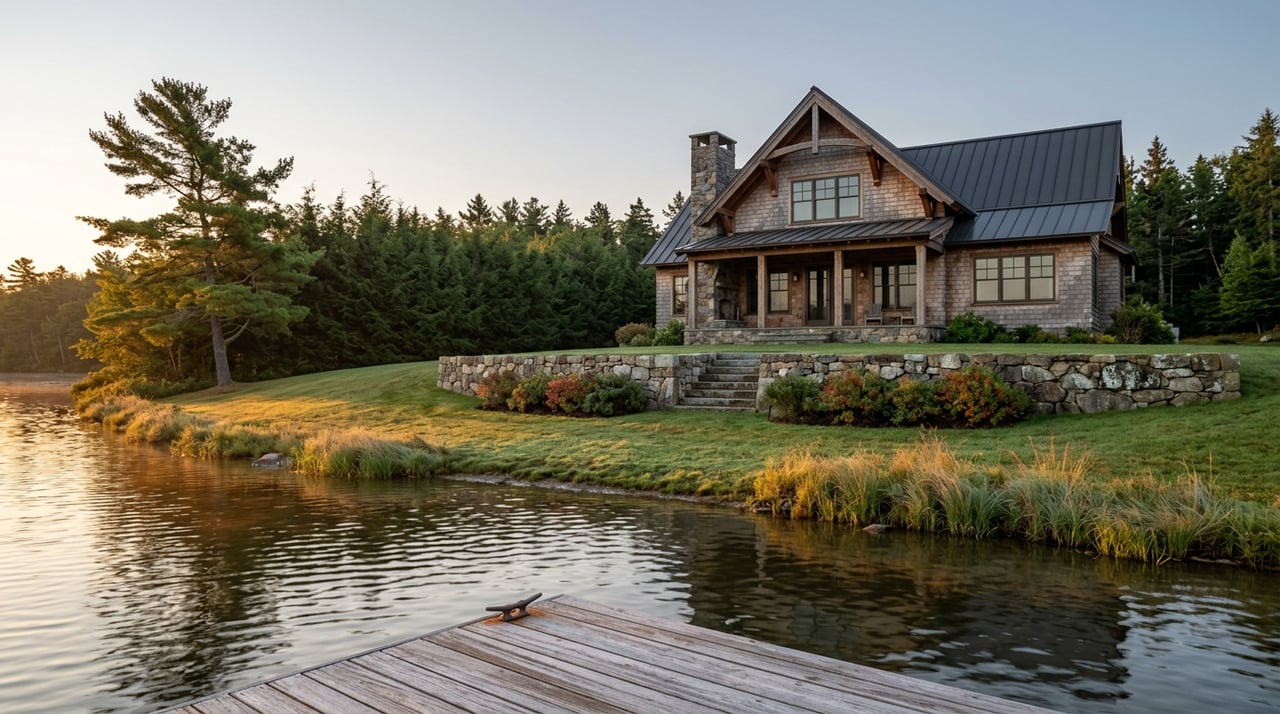
Welcome to Putnam
Putnam County occupies a rare and enviable position in the greater New York metro area: it is close enough to the city to be practical, yet far enough removed that it operates on an entirely different rhythm. Roughly 50 to 60 miles north of Midtown Manhattan, this Hudson Valley county sits at the confluence of rugged Highland terrain, protected watersheds, and historic river towns that have been drawing discerning buyers for generations.
Life here is defined less by square footage and more by what surrounds it. Residents wake up to reservoir views and Appalachian ridgelines. They commute into the city on one of the most scenic rail corridors in the country, then come home to communities where neighbors still know each other by name. The county draws a particular type of buyer: equity-rich, intellectually curious, and done with trading acreage for proximity. Young families arrive for the school districts. Remote workers come for the space and the landscape. Empty nesters stay because there is simply nowhere else quite like it.
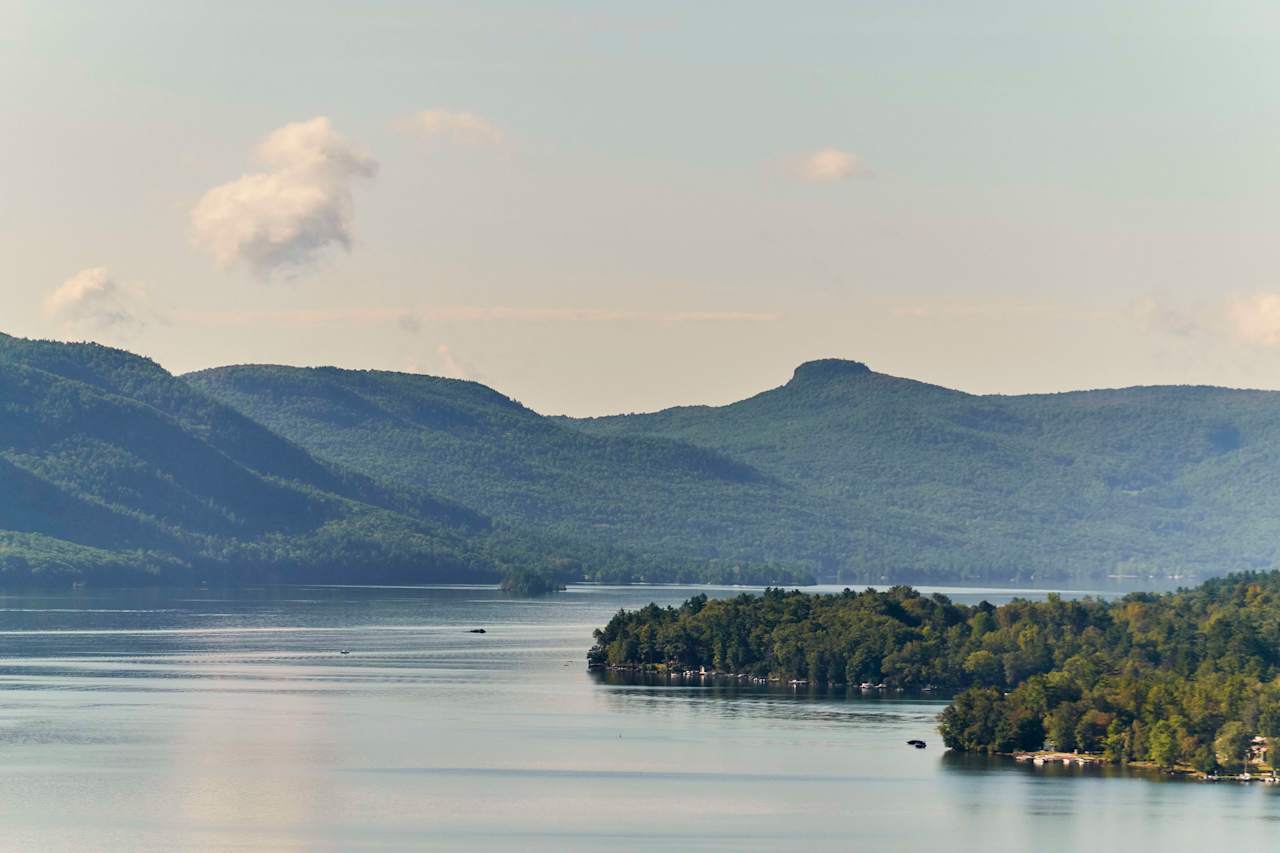
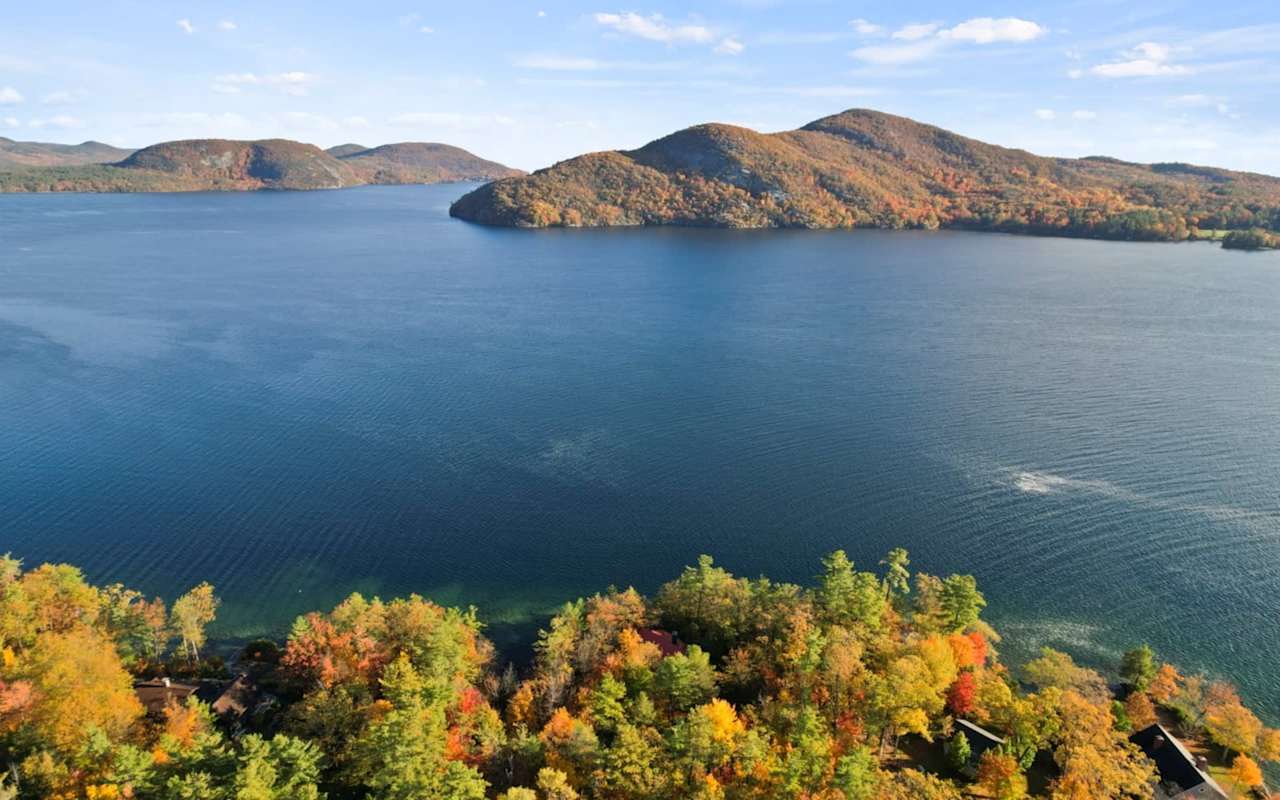
What keeps Putnam from feeling like a generic suburb is the land itself. A substantial portion of the county is permanently protected as part of the New York City Watershed system, which has functioned as a de facto conservation authority for decades, limiting commercial sprawl and keeping the county's character intact. The result is a place that looks and feels like the Hudson Valley should: stone walls cutting through hardwood forests, village main streets with actual foot traffic, and a genuine four-season quality of life that photographs well but is even better in person.
History
Putnam County's story is one of reinvention. Originally carved out of the vast Dutchess County land grants of the late 17th century, the area was sparsely settled by colonists who found its ridgeline terrain better suited to iron ore than farmland. The county formally broke from Dutchess in 1812 and was named for General Israel Putnam, a celebrated hero of the Battle of Bunker Hill. That patriotic pride still surfaces in local traditions and events today.
The 19th century brought industrial transformation. The West Point Foundry in Cold Spring emerged as one of the most consequential ironworks in America, producing the Parrott rifled cannon that played a decisive role in the Civil War. The foundry drew laborers, engineers, and capital, and the dense brick architecture that still defines Cold Spring's streetscape dates largely to that industrial boom period.
As the industrial era faded, the county pivoted toward recreation. The expansion of the Taconic State Parkway in the 1920s and 1930s opened Putnam to seasonal visitors from New York City, and small lakeside communities like Lake Carmel filled in with modest summer cottages. Many of those cottages were never torn down. They were winterized, expanded, and handed down, which is why Putnam's housing stock today includes everything from 1930s converted lake cabins to mid-century colonials to contemporary custom estates on multi-acre parcels.
The county's most consequential modern development was arguably what did not happen. As Westchester built malls and Fairfield County urbanized its edges, Putnam remained largely protected. The NYC Watershed designation imposed meaningful limits on development density, and environmental advocacy groups have worked for decades to preserve the Highland landscape. That restraint is now an asset.
Location & Geography
Putnam sits squarely in the heart of the Hudson Highlands, bordered by Dutchess County to the north, Westchester to the south, the Hudson River to the west, and Fairfield County, Connecticut to the east. It is one of the smaller counties in New York State by land area, but the diversity of its terrain makes it feel considerably larger.
The defining geographic feature is the Hudson Highlands themselves: a series of rocky, forested ridgelines that rise sharply from the riverbanks and create the dramatic backdrop that painters of the Hudson River School made famous. Storm King Mountain, visible from the western edge of the county, anchors this visual character. The terrain is not merely scenic. It shapes daily life, affecting cell coverage, road conditions, and the seasonal rhythms that long-time residents plan around.
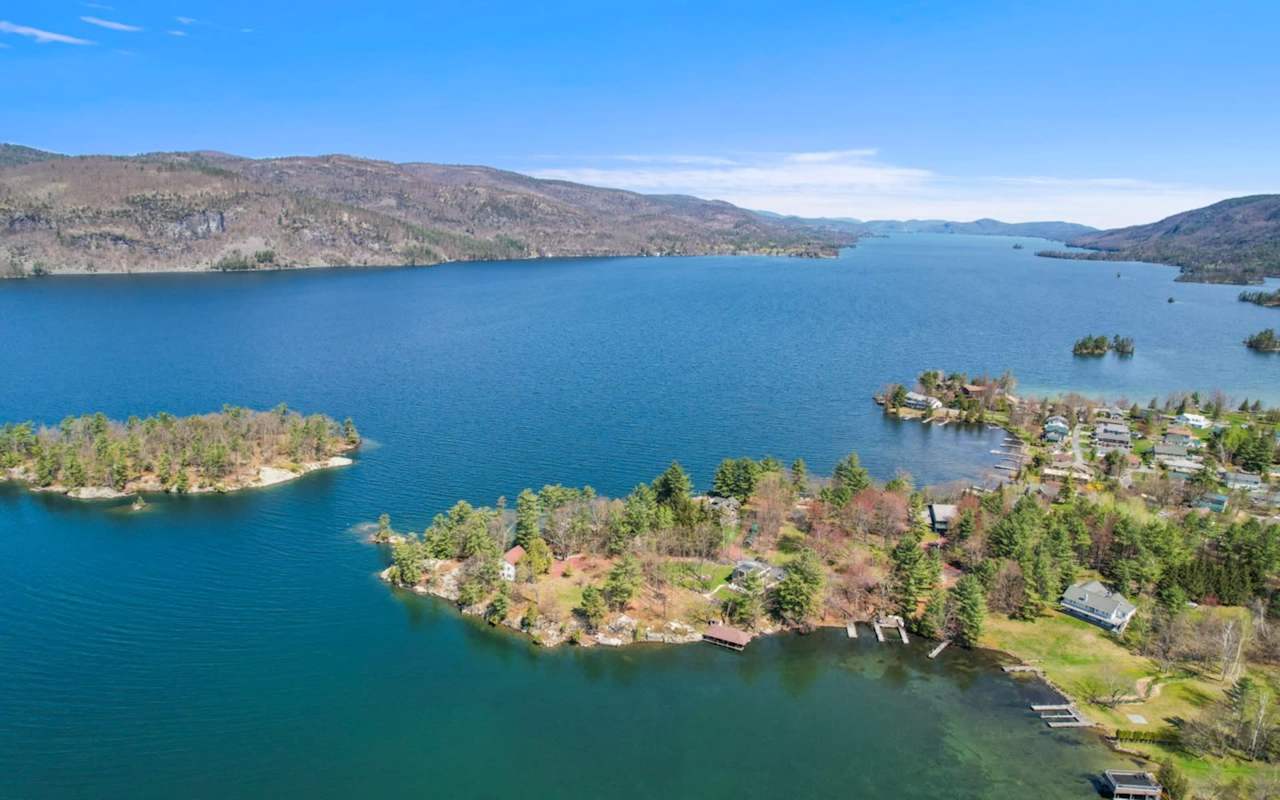
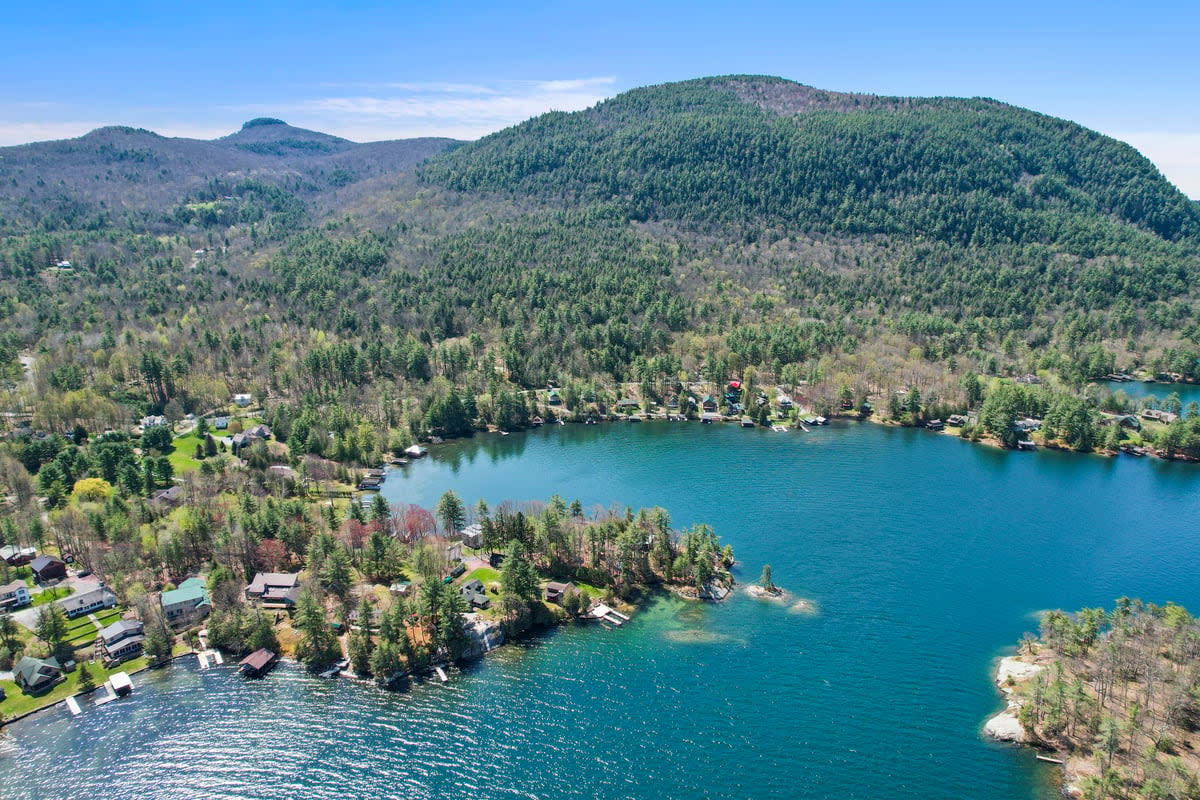
Water is everywhere. The county contains multiple reservoirs, including West Branch and Boyd Corners, and numerous natural lakes, many of which are protected as part of the New York City Watershed. The Appalachian Trail crosses the Hudson River at the Bear Mountain Bridge and cuts directly through Putnam before continuing northeast into Connecticut.
The climate is humid continental, with warm and often humid summers that run a few degrees cooler than the city due to elevation and forest canopy, and winters that are genuinely cold and significantly snowier than Westchester or the boroughs. Anyone coming from a milder climate should account for this. The backroads are winding, the hills are steep, and the county's weather has a way of making its presence felt. An all-wheel-drive vehicle is not optional here; it is practical infrastructure.
Housing Market in Putnam County
Putnam's housing market in 2026 remains firmly in seller's market territory, characterized by constrained inventory and sustained buyer demand. Median home values currently range from approximately $540,000 to $585,000 countywide, though that figure understates the premium commanded by western villages like Cold Spring and Garrison, where river views and walkable main streets push prices considerably higher.
Appreciation has stabilized from the post-2020 surge but continues running at a healthy 3.5% to 6.5% year-over-year, supported by consistent demand from buyers relocating north from Westchester, Brooklyn, and Manhattan. The so-called lock-in effect — current owners reluctant to trade their sub-3% mortgage rates for today's market — has kept inventory tight despite modest recent increases. Homes priced accurately and presented well are still moving quickly, with many turnkey properties going to contract in under three weeks. Homes in need of renovation are sitting longer, a meaningful distinction in a market where buyers are often stretched on both purchase price and anticipated renovation costs.
| Metric | Current Trend | Notes |
|---|---|---|
| Median Home Value | $540,000 – $585,000 | Western villages often command higher premiums |
| Year-Over-Year Appreciation | +3.5% to +6.5% | Stabilized post-2020 but remains positive |
| Days on Market | 44 – 70 days | Turnkey homes often go under contract in under 3 weeks |
| Sale-to-List Ratio | ~100% | Multi-offer scenarios remain common |
| Inventory | Low | Slight increases, still below historical averages |
The buyer profile skews heavily toward young families and hybrid workers seeking outdoor space and strong school districts, particularly Carmel and Haldane. For sellers, this is a meaningful data point: the lifestyle narrative is as important as the listing price.
Types of Homes Available
Putnam's housing stock reflects more than a century of layered development, which makes it genuinely interesting and occasionally complicated.
Single-family homes dominate the landscape. The most prevalent styles are colonials and raised ranches found throughout the suburban pockets of Mahopac, Carmel, and Brewster. These are the workhorses of the market, typically sitting on half-acre to two-acre lots and appealing to families prioritizing school access and commute options. In lakeside communities like Lake Carmel and Putnam Valley, the original 1930s to 1950s seasonal cottages form their own distinct category. Many have been substantially renovated, but the bones and lot configurations still reflect their origins as warm-weather escapes. Buyers attracted to these properties should investigate winterization quality and permit history carefully.
On the upper end, custom-built estates on multi-acre parcels in Garrison, Philipstown, and Cold Spring represent Putnam's most aspirational housing product. Hudson River views, architectural distinction, and genuine privacy at these price points are the draw, and they attract a buyer who often comes from a high-end Westchester or Manhattan context.
Condominiums and townhomes are less prevalent but growing, concentrated in Carmel and Brewster. Active adult communities catering to empty nesters who want to stay in the county without large-lot maintenance have expanded meaningfully in recent years. The rental market, particularly for apartments near Metro-North stations, is notoriously tight. There are very few large-scale apartment complexes in Putnam, and what exists fills quickly.
Relocation Tips
Moving to Putnam from a city or inner suburb requires recalibrating a few assumptions. The lifestyle rewards are real, but the operational differences are meaningful.
The well and septic reality. A large portion of Putnam homes run on private wells and septic systems. If you are coming from a place with municipal water and sewer service, treat this as a learning curve, not a red flag. Always commission a professional water quality test and a thorough septic inspection before closing. These systems, when maintained properly, perform reliably. When neglected, they become expensive problems.
Cell coverage and connectivity. The same topography that makes Putnam beautiful creates cellular dead zones. Before committing to a property, test your carrier's signal at the house itself. If you work remotely, verify that the property can support high-speed internet service. Options vary significantly by location.
Winter is a genuine season here. The county regularly receives more snowfall than Westchester or New York City, and its winding backroads do not forgive unpreparedness. Budget for a snowblower or a plow contract in your first fall. An all-wheel-drive or four-wheel-drive vehicle is strongly advised.
Taxes. Putnam's property taxes are generally lower than Westchester's, but they remain substantial by national standards. The 2026 county budget has included a proposed property tax reduction, aiming for the lowest rate in 20 years, which is worth tracking. School district boundaries, which do not always align with town lines, significantly influence your tax burden and should be confirmed directly from the tax bill before an offer is submitted.
Commute planning. Know which Metro-North line serves your prospective address before you fall in love with the property. The Hudson Line and the Harlem Line operate on different schedules, serve different stations, and have meaningfully different peak-hour options.
Neighborhood Development Projects
Putnam is historically conservative about development, which is part of its appeal. But 2026 has brought several significant projects underway.
The most transformative is the Envision Brewster initiative, a $200 million-plus urban renewal effort centered on the Village of Brewster. The project is creating a transit-oriented neighborhood adjacent to the train station, including more than 400 residential units, approximately 20,000 square feet of retail and restaurant space, and a redesigned Village Square intended to generate walkable, community-centered activity. Phase one construction is actively underway, and early indicators suggest it will meaningfully change the texture of Brewster's downtown within the next two to three years.
Infrastructure investment is also running at an elevated pace. Fair Street (County Road 60) in Carmel is undergoing full reconstruction with improved drainage, scheduled for completion in fall 2026. Several aging bridges are being replaced countywide, including the Drewville Road Bridge over the West Branch Croton River, which will add pedestrian and cycling infrastructure. The MTA's ongoing $100 million-plus station renewal program is addressing accessibility and modernization at multiple stops along both the Hudson and Harlem lines.
A countywide transit study is also in progress, aiming to restructure the Putnam Transit bus system to better connect residents to Metro-North stations. A new trailhead and parking area at Route 311 in Patterson will improve access to the Maybrook Trail section of the Empire State Trail.
Factors to Consider When Buying
Putnam requires a more specific due diligence approach than a standard suburban purchase. Several factors are particular to this market and to the Highlands environment.
- NYC Watershed and zoning compliance. A significant portion of Putnam falls within the New York City Watershed system, which imposes strict environmental regulations on septic systems, construction, and land use. Before closing on any property, verify that all existing structures, additions, decks, and outbuildings were properly permitted. Retroactive approval for unpermitted work in a watershed zone is a slow and sometimes impossible process.
- Flood zones and flood insurance. Homes near the Hudson River or lake communities including Lake Mahopac, Lake Carmel, and Roaring Brook may fall within FEMA Special Flood Hazard Areas. In 2026, flood insurance premiums have risen materially. Request the property's Elevation Certificate before making an offer and factor insurance costs into your monthly payment calculation.
- Wildfire risk. Approximately 35% of Putnam County carries moderate to high wildfire hazard potential due to its dense forest cover. Verify that your homeowners' insurance policy specifically covers forest fire risk, and understand what defensible space landscaping requirements may apply to the property.
- School district verification. Town mailing addresses and school district lines do not always match in New York State. A home with a Mahopac address may be zoned for the Carmel Central School District. Confirm the district from the actual tax bill, not the listing address. This affects both taxes and resale dynamics.
- Property age and systems. Many charming Putnam homes began as seasonal lake cottages. Prioritize inspection of the electrical panel (100-amp minimum, 200-amp preferred), heating system, insulation quality, and the condition of the well pump. Deferred maintenance on these systems is common and expensive.
Factors to Consider When Selling
- Seasonality matters more here than in most markets. Putnam's lifestyle assets are most visible in spring and summer, when the lakes, trails, and lush landscape do the heavy lifting for your listing photos. A secondary market peak occurs in fall, when the foliage and the appeal of a cozy Hudson Valley retreat attract weekend-oriented buyers from the city. Winter listings are viable but require more deliberate effort, as snowy backroads can complicate showings and suppress buyer activity.
- Price with precision. In the current environment, aspirational pricing is consistently backfiring. Homes priced within 2% of fair market value are generating multiple offers and faster contracts. Overpricing by even 5% risks the stale listing effect, where time on market creates buyer skepticism that price reductions alone rarely overcome.
- Stage for the hybrid-worker buyer. The dominant demographic arriving from Westchester, Brooklyn, and Manhattan is equity-rich but rate-sensitive. They need to see a dedicated home office or flex space, and they respond to interiors with natural materials, warm earth tones, and a design sensibility that feels intentional rather than dated. Highlighting energy-efficient upgrades — solar panels, heat pumps, updated windows — provides a practical offset to mortgage payment concerns.
- Exterior ROI outperforms interior in this market. Garage door replacement is currently recouping nearly 268% of its cost. Stone veneer siding is performing at over 200% ROI. Curb appeal in a landscape-rich environment matters enormously, because Putnam buyers are purchasing a lifestyle as much as a structure.
Dining and Entertainment
Cold Spring functions as the county's culinary anchor, and it punches well above its weight for a village of its size. Le Bouchon brings a classic French bistro sensibility, while Hudson Hil's has established itself as the go-to destination for a locally sourced, elevated breakfast. The dining density on Cold Spring's main street rivals what you might find in a Westchester suburb twice its population.
In Mahopac, Char Steakhouse & Bar sets the standard for upscale dining and participates in the semi-annual Hudson Valley Restaurant Week. The lakefront proximity gives several Mahopac establishments a resort-quality summer atmosphere that is difficult to replicate elsewhere in the county.
For entertainment beyond restaurants, the Tompkins Corners Cultural Center in Putnam Valley hosts theater, gallery exhibitions, and poetry events that reflect the county's quietly strong arts undercurrent. The Putnam County Golf Course in Mahopac anchors an outdoor concert series during warmer months. The Brewster Crossing revitalization is introducing a wave of transit-oriented cafes and bistros that will expand the county's dining footprint meaningfully over the next few years.
Parks and Recreation
Putnam's outdoor infrastructure is among the strongest in the greater New York region, and it is the single most-cited reason buyers who move here say they would not trade the lifestyle for anything closer to the city.
Clarence Fahnestock Memorial State Park encompasses over 14,000 acres and contains the Three Lakes Loop, a segment of the Appalachian Trail, and cross-country skiing in winter. Hudson Highlands State Park Preserve offers the Bull Hill (Mt. Taurus) Loop, which delivers some of the most dramatic Hudson River views accessible by foot anywhere in the state.
The Putnam County Trailway is a paved 12-mile multi-use path running along the former railroad corridor from Brewster to the Westchester border, popular with cyclists and runners who want a car-free route through the landscape. For water access, Sycamore Park on Long Pond and Lake Tonetta in Brewster provide seasonal swimming and picnic facilities. Lake Mahopac accommodates powerboats and jet skis through several private marinas, while Hudson River Expeditions in Cold Spring offers kayak rentals for exploring Constitution Marsh and the base of Storm King Mountain.
Golfers have access to the Putnam County Golf Course and The Garrison, where the course plays against a Highland backdrop that is difficult to match. Tilly Foster Farm in Brewster brings a working heritage farm experience to the county, with trails, educational programming, and rare breed animals. Castle Park in Southeast rounds out the family-friendly infrastructure as a destination-level playground that draws visitors from across the county.
Shopping
Putnam's shopping culture is deliberately local. There are no major enclosed malls within the county, and most residents seem unbothered by that. Cold Spring's main street is the premier destination for boutique retail: high-end antique shops, independent booksellers, and artisan goods from Hudson Valley makers form the backbone of what is genuinely one of the more charming main-street retail strips in the region.
For everyday needs, DeCicco & Sons anchors the grocery landscape with a strong reputation for craft beer, gourmet deli offerings, and organic produce. ACME Markets, Tops Friendly Markets, and Stop & Shop serve the Route 6 corridor through Carmel and Mahopac for standard grocery runs. The Cold Spring Farmers' Market at Boscobel and the Putnam Valley Farmers' Market are not afterthoughts. They are genuine community institutions with loyal year-round followings.
For big-box retail and department store access, most residents make the short trip south into Westchester, primarily to the Jefferson Valley Mall or the Cortlandt Town Center. Putnam Plaza in Carmel covers essential services and household needs closer to home.
Local Culture
Putnam's cultural identity is grounded in the outdoors, in history, and in a deliberate pace of life that its residents actively protect. The county takes its namesake seriously. Events commemorating General Israel Putnam and the Revolutionary War are part of the annual calendar, and historical reenactments draw genuine community participation rather than merely tourist interest.
Summer life revolves around the lakes. Communities around Lake Mahopac and Lake Peekskill are tightly knit in the way that lake communities everywhere aspire to be, with private beach associations, youth swim programs, and an informal social infrastructure built around the water. The St. Patrick's Day Parade in Mahopac is one of the largest in New York State and functions as a genuine county-wide gathering.
On the arts side, Putnam carries a quietly sophisticated cultural current. The Garrison Art Center and Magazzino Italian Art, a world-class museum focused on post-war Italian art, bring a level of intellectual and aesthetic seriousness that surprises first-time visitors. These are not destination venues in spite of their location. They are reasons to make the location a destination.
Weekday mornings have their own rhythm: the Metro-North departure times set the tempo, and the gathering that forms at station coffee stops before the morning train has a community quality all its own.
Schools and Education
Putnam County's school districts are a primary driver of its real estate demand, and for good reason. The county's top-performing districts consistently rank among the best in New York State, and the combination of small class sizes, high college-readiness scores, and genuine community investment in education gives buyers with school-age children significant confidence.
- Haldane Central School District in Cold Spring is frequently ranked first in the county. It is a K-12 district contained largely on a single campus, which creates a cohesion and school spirit that larger districts struggle to replicate.
- Putnam Valley Central School District earns consistently high marks, with a student-to-teacher ratio of approximately 13:1 and strong teacher retention.
- Mahopac Central and Carmel Central are the county's largest districts, offering extensive Advanced Placement catalogs, competitive athletic programs, and dedicated STEM initiatives that prepare students for competitive college admissions.
- Brewster Central is recognized for its diverse student body and strong performing arts programs.
On the private side, Green Chimneys in Brewster is a nationally recognized school for students with learning differences, known for its nature-based therapeutic approach. St. James the Apostle in Carmel serves Pre-K through 8th grade as the county's prominent parochial option.
For higher education, Putnam sits within reasonable reach of Marist College and Vassar College in Poughkeepsie, SUNY Westchester Community College to the south, and the United States Military Academy at West Point directly across the river.
Commute and Accessibility
Putnam is built for the commuter who is willing to trade 20 minutes of additional travel time for a fundamentally different quality of life at home. The Metro-North Railroad is the county's primary connection to Manhattan, and the two lines serving Putnam offer meaningfully different experiences.
The Hudson Line runs through Garrison and Cold Spring along the river, with a commute to Grand Central of approximately 70 to 80 minutes. The ride is widely considered one of the most scenic rail commutes in the country, and for many residents, that morning view of the Highlands and the Hudson is a feature, not just a footnote.
The Harlem Line serves Brewster, Southeast, and Patterson on the eastern side of the county. Express service from Southeast to Grand Central runs approximately 80 minutes and offers more frequent peak-hour departures. Southeast station tends to have easier parking access than the smaller village stops.
By car, the Taconic State Parkway is the county's primary north-south artery, a passenger-vehicle-only scenic highway that connects directly into Westchester and the greater metro system. Interstate 84 runs east-west, linking Putnam to Danbury, Connecticut and to Newburgh and the Newburgh-Beacon Bridge heading west. Route 22 handles north-south traffic on the eastern side through Brewster and Patterson, while Route 9 serves the western corridor through Garrison and Cold Spring. U.S. Route 6 connects Mahopac and Carmel to the broader highway network.
Typical drive times: White Plains runs 35 to 45 minutes, Stamford approximately 45 to 55, and Midtown Manhattan between 75 and 105 minutes depending on conditions and route.
Most Coveted Streets & Estates
Within Putnam, certain micro-locations carry disproportionate prestige and consistently attract buyers willing to compete aggressively.
- Cold Spring and Garrison along the Hudson Line corridor represent the county's most aspirational addresses. The combination of Hudson River views, walkable village infrastructure, and direct Metro-North access creates a buyer profile that is often coming from Manhattan or high-end Westchester. Properties here rarely need to work hard to find offers.
- Philipstown broadly, which encompasses both Cold Spring and Garrison, is home to many of the county's custom estates. Multi-acre parcels with river-facing orientations, architectural distinction, and privacy drive the upper end of Putnam's market.
- Lake Mahopac carries its own specific cachet. Waterfront lots with private dock rights on a lake that permits motorized boating are genuinely scarce and command meaningful premiums.
- The Garrison hamlet, with its proximity to the Garrison Golf Course, the Garrison Art Center, and the train station, attracts buyers who want a walkable, culturally active lifestyle within a distinctly rural setting.
- Patterson and the Harlem Line corridor offer the county's best value proposition for buyers who prioritize square footage and land over prestige address, and the area's appeal is growing as Brewster's revitalization begins reshaping the eastern side of the county.
Why People Love Putnam County
The buyers who move to Putnam County and stay are rarely surprised by what they find. They came specifically for it: the landscape, the pace, the sense that the land itself has been protected and will remain that way. What tends to surprise them is how much it delivers on the promise.
The school districts are as strong as advertised. The commute, while real, is manageable and often more pleasant than alternatives. The outdoor access is not background scenery. It is part of daily life, woven into morning runs and weekend hikes and summer evenings on the water. The arts scene is quietly serious. The communities are genuinely connected. And the housing stock, for all its quirks and age ranges, offers a diversity that allows buyers to find exactly the kind of home that fits how they want to live.
Putnam asks something of its residents: some preparedness, some adaptability, and a willingness to trade convenience for character. The residents who thrive here will tell you the trade is not even close.
Work with Sherwood Group, LLC
When you are ready to buy or sell in Putnam County, the right representation makes every difference in a market this specific. Sherwood Group, LLC brings deep local knowledge of Putnam's neighborhoods, pricing dynamics, and the particular due diligence requirements that set this market apart from standard suburban transactions. Whether you are relocating from the city, upgrading within the county, or positioning a property for sale, Sherwood Group's experience in the Hudson Valley gives you a meaningful advantage at every stage of the process. Reach out to begin the conversation about your next move