Selling a Lake George home at the top of the market is not just about listing at the right price. It is about presenting a lifestyle, protecting buyer confidence, and making sure every waterfront detail holds up under scrutiny. If you want a premium result, you need more than surface-level prep. You need a plan that fits Lake George’s unique mix of scenic appeal, seasonal demand, and shoreline regulations. Let’s dive in.
Why Lake George prep is different
Lake George is not a typical market. Warren County Tourism describes it as a four-season destination, with summer as the peak season and fall as the most visually dramatic time of year. That means your home’s outdoor setting, water access, and views can carry just as much weight as your kitchen, primary suite, or living room.
The lake itself is a major part of the value story. The Lake George Park Commission describes Lake George as a high-use recreational lake with millions of annual visitors, along with active rules around boating access and shoreline features. For you as a seller, that means buyers are often evaluating both the lifestyle and the property’s compliance at the same time.
Time your sale around Lake George appeal
If you are aiming for a premium sale, timing matters. Summer brings the area’s peak activity, which can help your listing reach buyers when the lake lifestyle is easiest to picture. Fall can also be a strong window, especially when mountain views, foliage, and crisp waterfront scenery help your home stand out.
The right timing depends on your property’s strongest features. A home with a dock, outdoor entertaining space, and direct lake access may shine brightest in summer. A home with elevated views, strong curb appeal, and dramatic natural surroundings may photograph beautifully in fall.
Stage the home like a retreat
Premium buyers do not just shop for square footage. They respond to how a home feels. According to the National Association of Realtors’ 2025 staging report, staging helps buyers picture a property as their future home, can support stronger offers, and may reduce time on market.
For Lake George sellers, the key is to stage the spaces buyers care about most while making the home feel calm, polished, and easy to enjoy. Focus first on the living room, primary bedroom, kitchen, and dining room. Those rooms often shape the emotional first impression.
Prioritize clean sightlines
In a lake-oriented home, sightlines matter. You want buyers to notice the lake, the light, and the sense of space as soon as they enter a room. Remove extra furniture, oversized decor, and anything that blocks windows or interrupts the flow.
Lake-facing windows deserve special attention. Clean glass, simple window treatments, and uncluttered nearby surfaces can make a big difference in both in-person showings and listing photography.
Extend staging outdoors
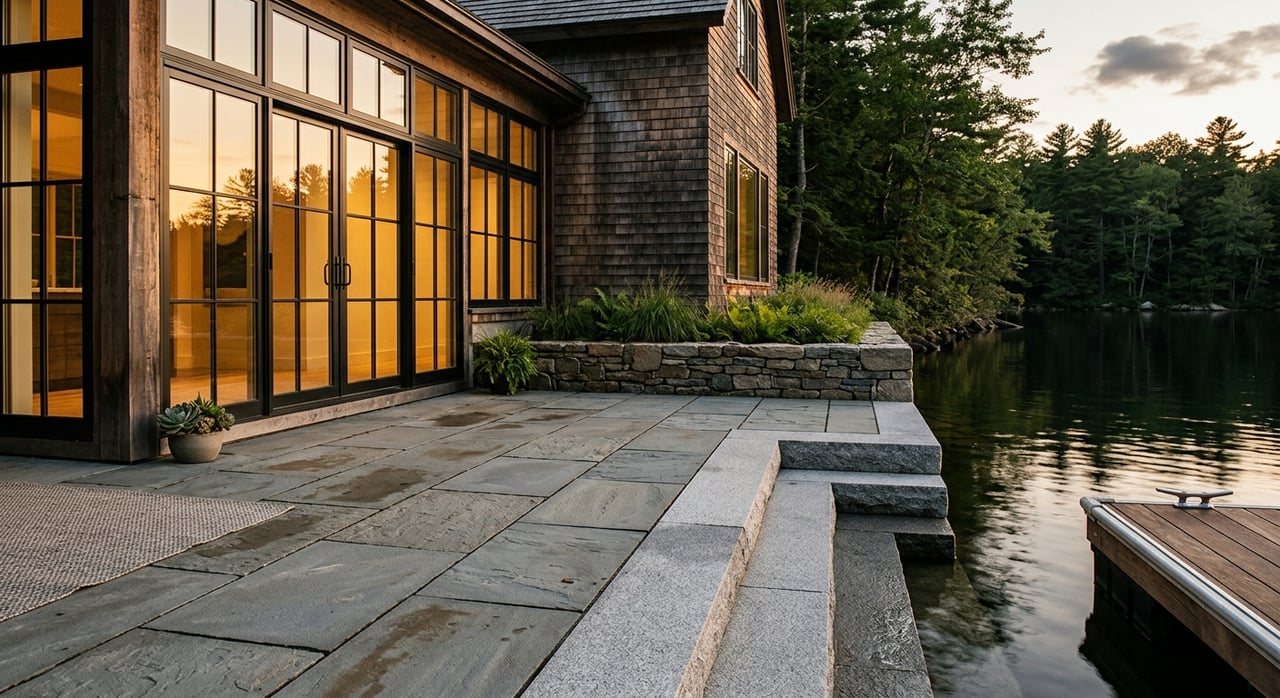
On Lake George, outdoor living areas are part of the home. A deck, porch, patio, or dock should feel finished and intentional, not like a storage zone for seasonal gear. Buyers should be able to picture coffee at sunrise, afternoon boating, and easy evenings by the water.
That means you should organize boating items, store loose equipment, and create simple seating areas where appropriate. Waterfront seating, railings, and deck surfaces should look clean, safe, and ready to use.
Focus on the maintenance buyers notice first
The basics still matter. The National Association of Realtors says common seller recommendations include decluttering, deep cleaning, and improving curb appeal. In Lake George, those steps should reach from the front entry all the way to the shoreline.
A premium buyer is likely to notice the full approach to the property. That includes the walk to the front door, the porch, the exterior trim, the deck, the dock area, and how the waterfront presents. Small signs of deferred maintenance can make buyers wonder what else has been overlooked.
Use this Lake George pre-list checklist
- Declutter every main room
- Deep clean the full home
- Wash lake-facing windows
- Refresh porch, deck, and railing areas
- Clear and organize dock or waterfront storage
- Tidy shoreline seating areas
- Remove visual distractions from view corridors
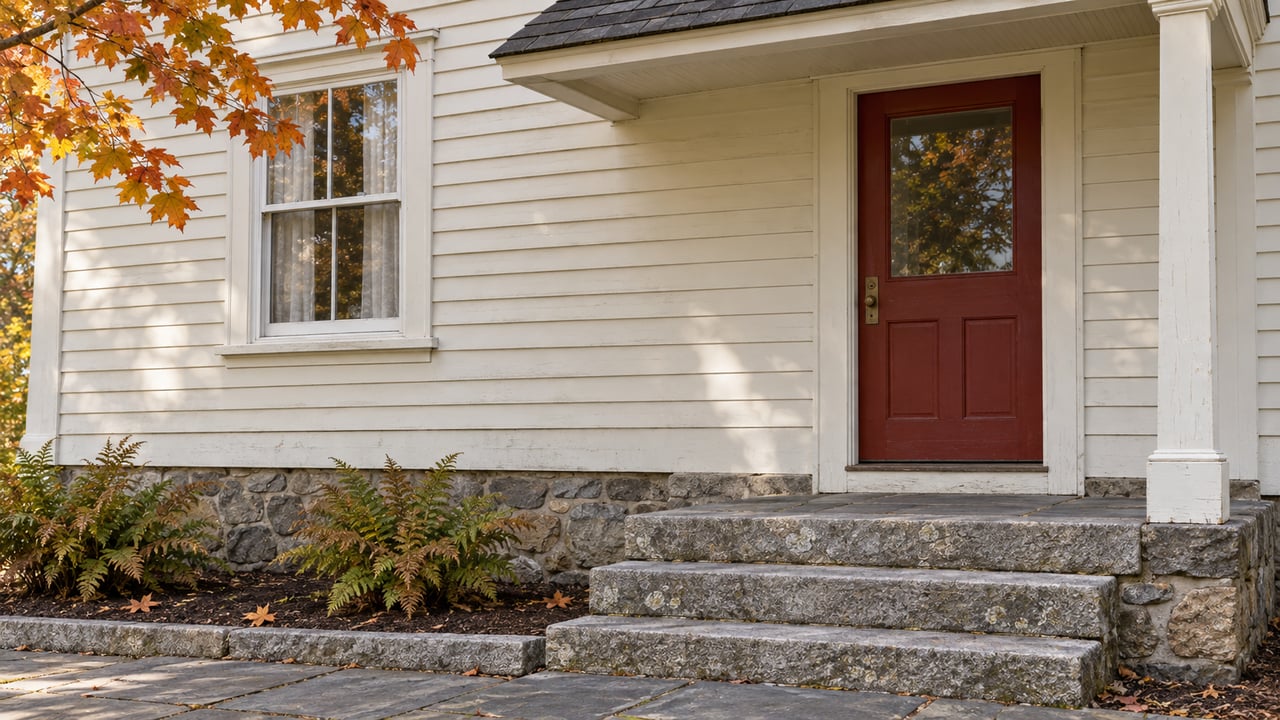
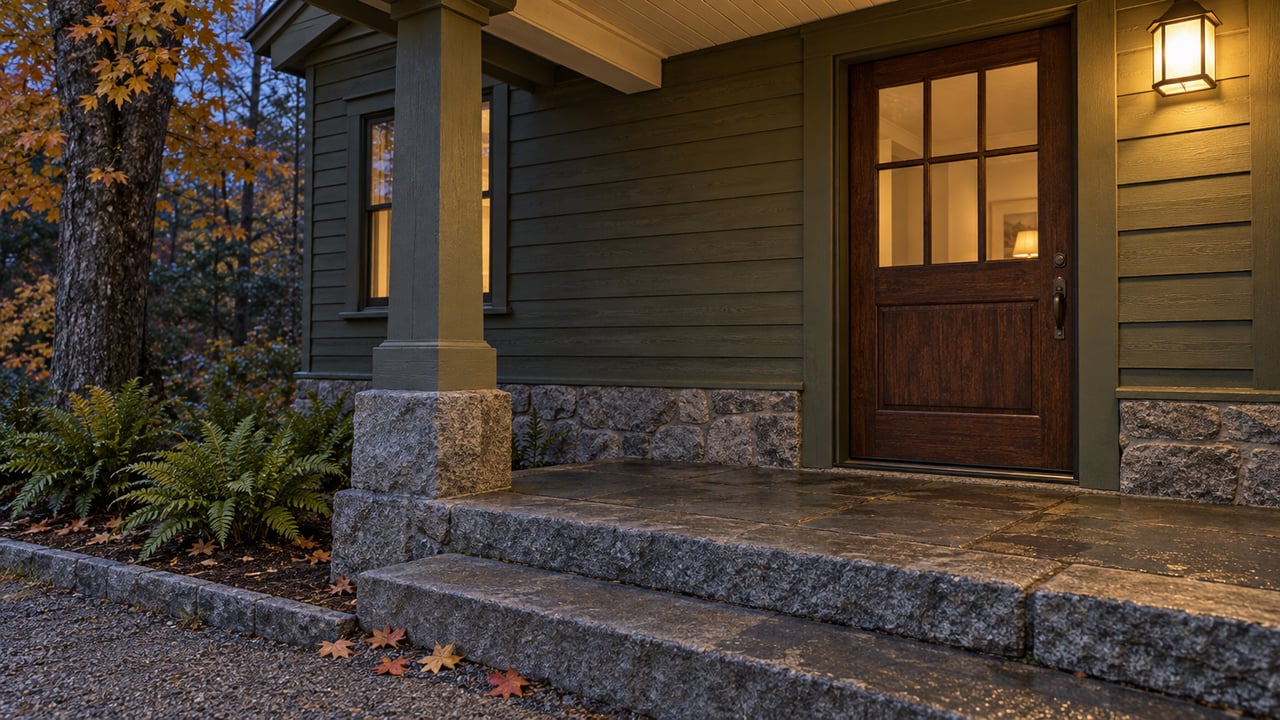
- Make sure entry paths feel clean and welcoming
Be careful with last-minute exterior projects
It can be tempting to rush into shoreline cleanup or view improvements before listing. In Lake George, that can create problems if the work crosses into regulated territory. The Lake George Park Commission requires permits before certain projects, including those that create more than 1,000 square feet of impervious surface or involve more than 5,000 square feet of land clearing, grading, or filling.
There are also rules near the water for exposed ground and erosion control. If your home is within 500 feet of the mean high water mark, cleared ground cannot be left without vegetation for more than 24 hours unless proper cover or erosion controls are in place. In practical terms, it is smart to avoid major last-minute shoreline reshaping or aggressive clearing unless you have already confirmed what is allowed.
Confirm dock and boat-lift compliance early
Waterfront features can add tremendous value, but only when they are properly documented. In Lake George, docks, wharfs, moorings, and some boat lifts are permit-driven. The Lake George Park Commission also requires annual registration for each dock, wharf, and mooring by April 1.
If you have made changes over the years, now is the time to gather records. The Commission maintains records of authorized dock and mooring configurations for lakefront properties, and permit review can involve adjacent owners, the town, and the Adirondack Park Agency. Buyers will want clarity, and having the paperwork ready helps avoid delays.
Know how boat lifts are treated
The Park Commission says a boat lift is treated as a wharf and requires a permit. An uncanopied lift on an existing dock may be permitted relatively quickly, while canopied lifts or lifts within the 20-foot setback may take longer because of added review. If your setup has changed, confirm that your records match the current condition before your home goes live.
Get septic records in order
Wastewater documentation is another key part of premium sale prep in the Lake George basin. According to the Lake George Park Commission, wastewater systems in the inspection area are inspected every five years, septic tanks are pumped during inspection, and all systems in the basin must be pumped at least once every ten years. The Commission also says pump-out, inspection, repair, and design records must be kept for the life of the system.
For you as a seller, this means septic paperwork should not be an afterthought. If a buyer asks for service history, inspection records, or evidence of past repairs, you want those documents ready. A well-organized file can reduce uncertainty and help the transaction move more smoothly.
Build a listing file before buyers ask
Premium sales often move best when you answer questions before they become objections. In Lake George, that starts with a clean listing file that supports both the home’s value and its compliance. Your goal is to make the buyer feel informed, not cautious.
A strong pre-list file may include:
- Dock, wharf, mooring, and boat-lift permits
- Current registration status for waterfront structures
- Approved plans for past waterfront improvements
- Septic pump-out and inspection records
- Repair or design records related to the wastewater system
- Any relevant stormwater approvals for past exterior work
Support the lifestyle with polished marketing
Even a beautifully prepared home needs the right presentation once it hits the market. The same staging report from the National Association of Realtors found that buyers’ agents place high importance on photos, traditional staging, videos, and virtual tours. That is especially true in a destination market where many buyers may begin their search from outside the area.
For a Lake George property, visuals should do more than document the rooms. They should tell a clear story about how the home lives, how it connects to the water, and what makes the setting special. Strong photography and visual storytelling can help buyers understand the property before they ever step inside.
The premium-sale formula for Lake George
If you want the strongest result, think in three parts. First, present the home like a luxury retreat with thoughtful staging, clean sightlines, and polished outdoor areas. Second, verify that every waterfront feature is documented and compliant. Third, resolve septic, shoreline, and stormwater questions before buyers raise them during due diligence.
That approach works especially well in Lake George because the lifestyle is so compelling and the property details matter so much. Buyers are often drawn in by views, access, and setting, but they gain confidence through preparation, transparency, and care.
If you are thinking about selling, the team at Sherwood Group, LLC can help you position your Lake George property with the kind of local guidance, premium presentation, and high-touch strategy that supports a stronger sale.
FAQs
When is the best time to list a home in Lake George?
- Summer is the area’s peak season, while fall is known for especially dramatic scenery, so both can be strong listing windows depending on your home’s best features.
Do dock changes in Lake George need approval?
- Yes. The Lake George Park Commission says docks, wharfs, moorings, and boat lifts are permit-driven features, and annual registration rules also apply.
How important is staging for a Lake George home sale?
- Very important. The National Association of Realtors’ 2025 staging report found that staging helps buyers picture themselves in the home and may support stronger offers and less time on market.
What septic records should Lake George sellers have ready?
- You should gather pump-out, inspection, repair, and design records, since the Lake George Park Commission requires these records to be kept for the life of the system.
Should Lake George sellers do shoreline work right before listing?
- Not without checking the rules first. Certain land clearing, grading, filling, and impervious-surface projects require Park Commission review and may trigger erosion-control requirements.
What paperwork helps a Lake George waterfront sale go more smoothly?
- Buyers often want clear records for dock or mooring permits, registrations, approved waterfront plans, septic history, and any past stormwater-related approvals.