3,375 people live in Ticonderoga, where the median age is 48.5 and the average individual income is $33,495. Data provided by the U.S. Census Bureau.
Total Population
Median Age
Population Density Population Density This is the number of people per square mile in a neighborhood.
Average individual Income
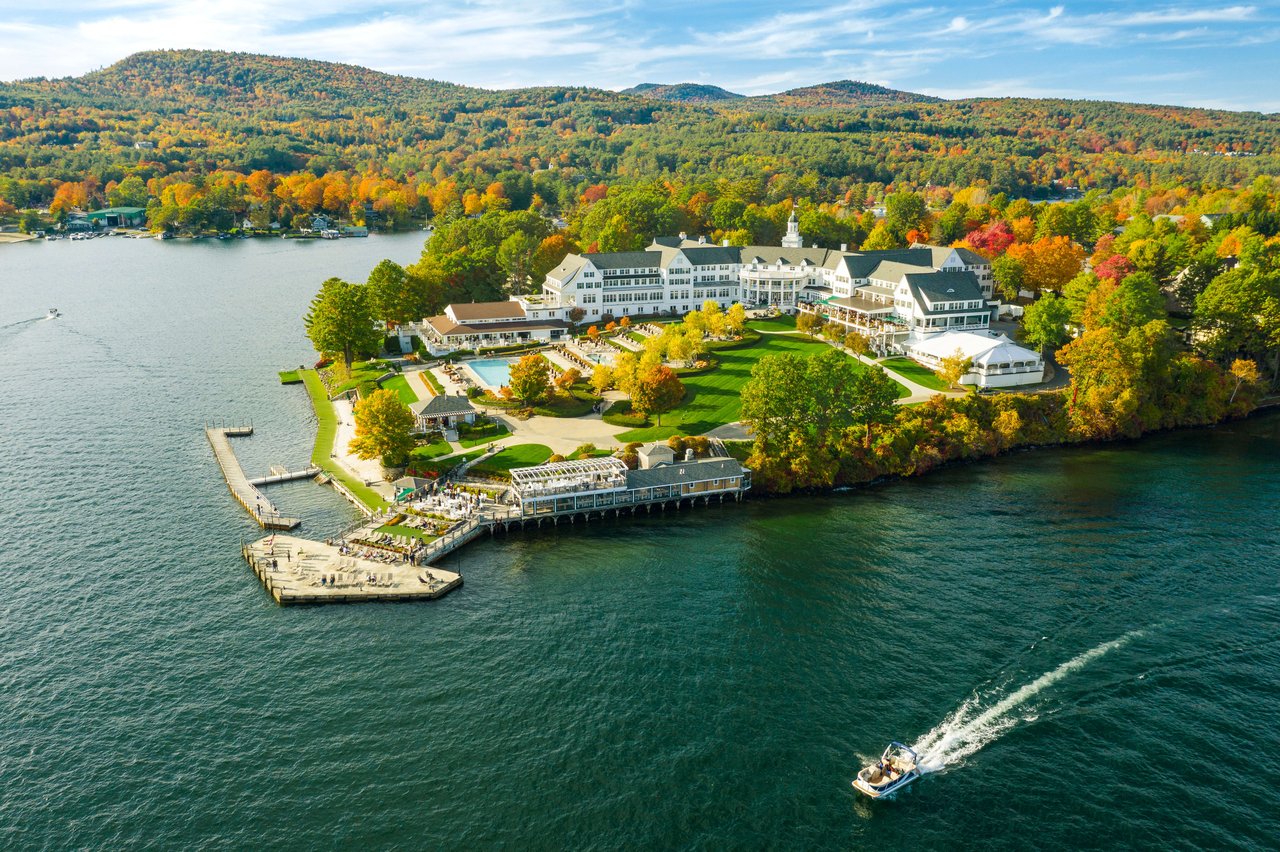
Ticonderoga sits at one of the most dramatic intersections of history and nature in the Northeast. Flanked by Lake George to the south and Lake Champlain to the east, it's a small Adirondack town that punches well above its weight — a place where 18th-century fortifications and a working paper mill share a zip code with Star Trek set tours and craft cocktail bars.
The pace is unhurried and the winters are serious. Locals are self-reliant and community-minded, the kind of place where school sports and pancake breakfast fundraisers hold real social weight. Come summer, the population swells with seasonal residents and tourists drawn by the lakes and history, but the town's working-class character stays intact. If you want big-city amenities, Glens Falls is 45 minutes south. If you want a genuinely authentic Adirondack community, Ticonderoga delivers.
The name comes from the Iroquois tekontaró:ken — "where the waters meet" — and the geography shaped everything that followed. The La Chute River, dropping over 220 feet as it connects the two lakes, made this a military chokepoint and later an industrial engine.
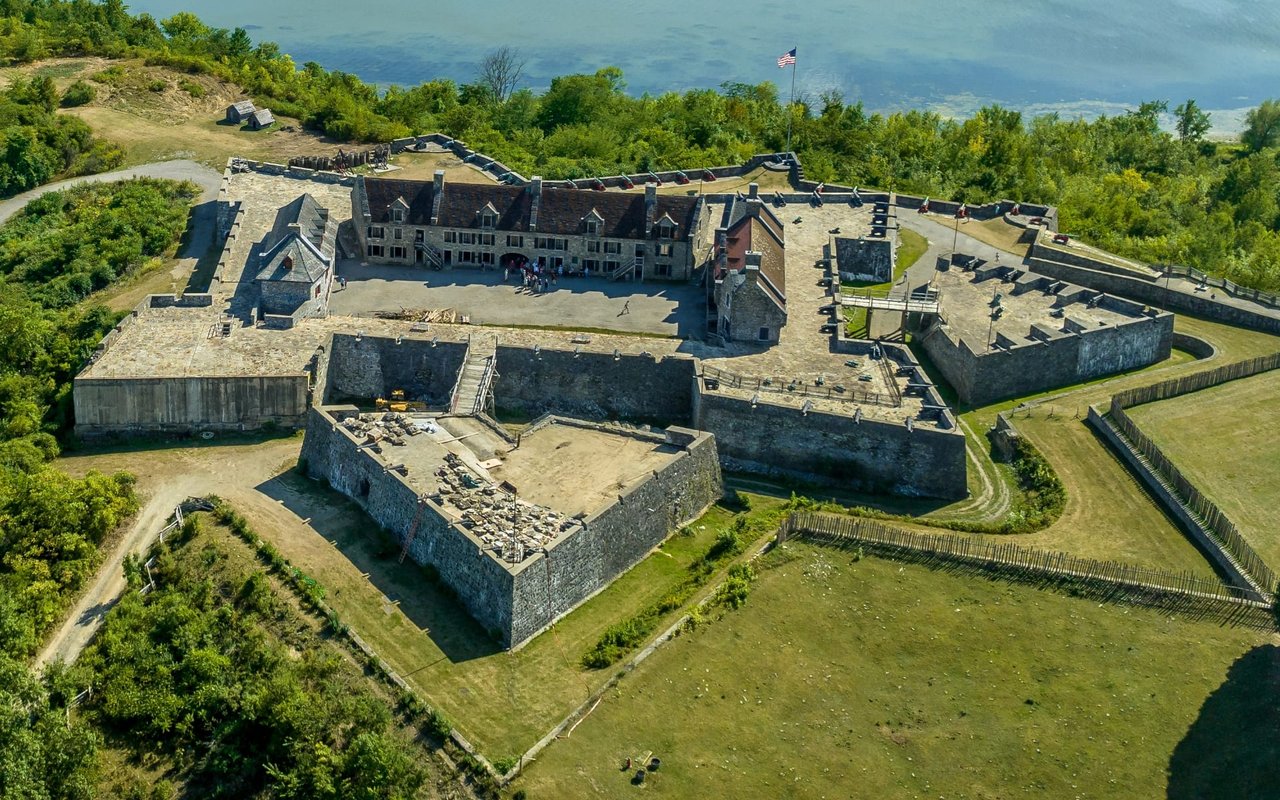
The French built Fort Carillon here in 1755 to control the portage between lakes. It became the site of some of the bloodiest battles of the French and Indian War before Ethan Allen and Benedict Arnold seized it in 1775 in the Revolution's first American victory. The fort's name was changed to Fort Ticonderoga, and it became a symbol of early American resistance.
Once military significance faded, the La Chute's waterpower drove an industrial pivot. Graphite discovered on Lead Mountain in 1815 gave rise to the iconic Ticonderoga pencil, manufactured here by the American Graphite Company. By the late 1800s, the Ticonderoga Paper and Pulp Company had taken over as the economic backbone, turning the village into a genuine company town — with entire residential neighborhoods built specifically for mill management and workers.
In 1970, International Paper relocated its mill from the village center to the Lake Champlain shoreline, triggering demolition of old industrial structures and a gradual shift toward tourism and history-based identity. The mill still runs and still employs locals, but Ticonderoga's economy today leans heavily on seasonal visitors and its extraordinary heritage assets.
Ticonderoga occupies the southeastern corner of Essex County in northeastern New York, entirely within the boundaries of the Adirondack Park. It sits near the Vermont border, approximately 100 miles north of Albany and 50 miles south of Plattsburgh.
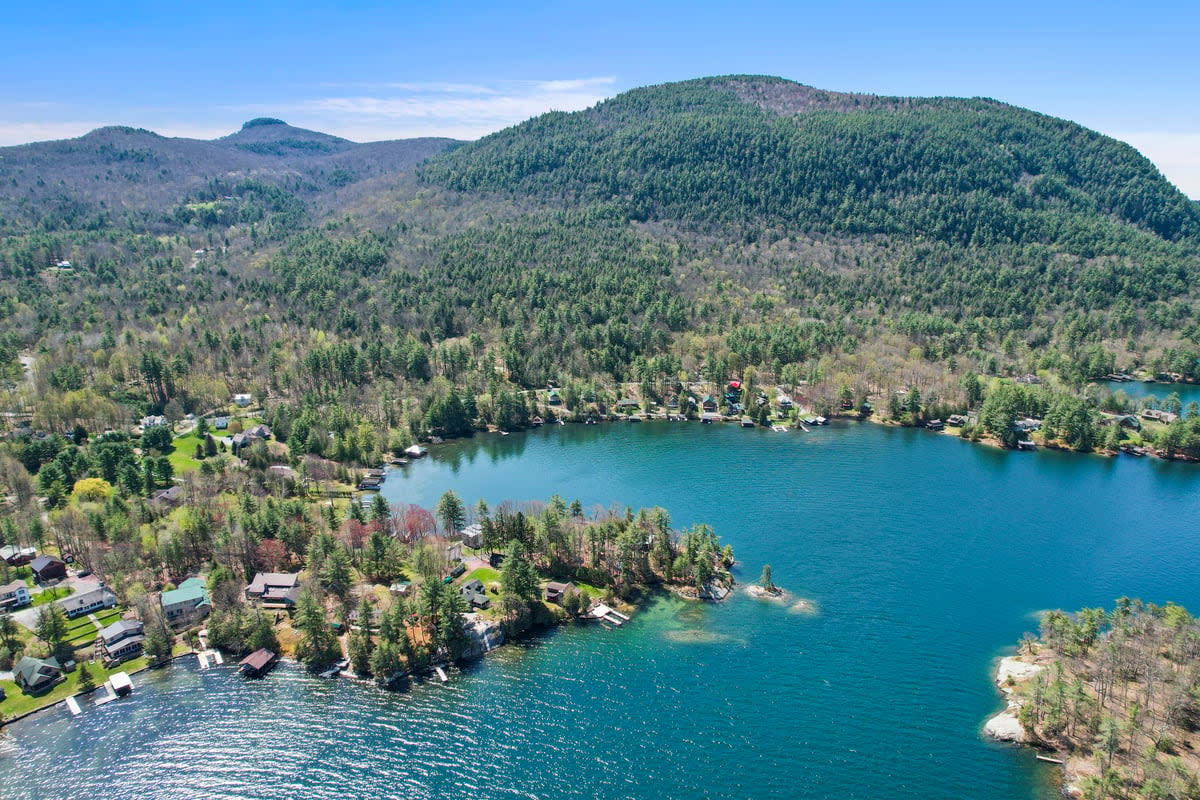
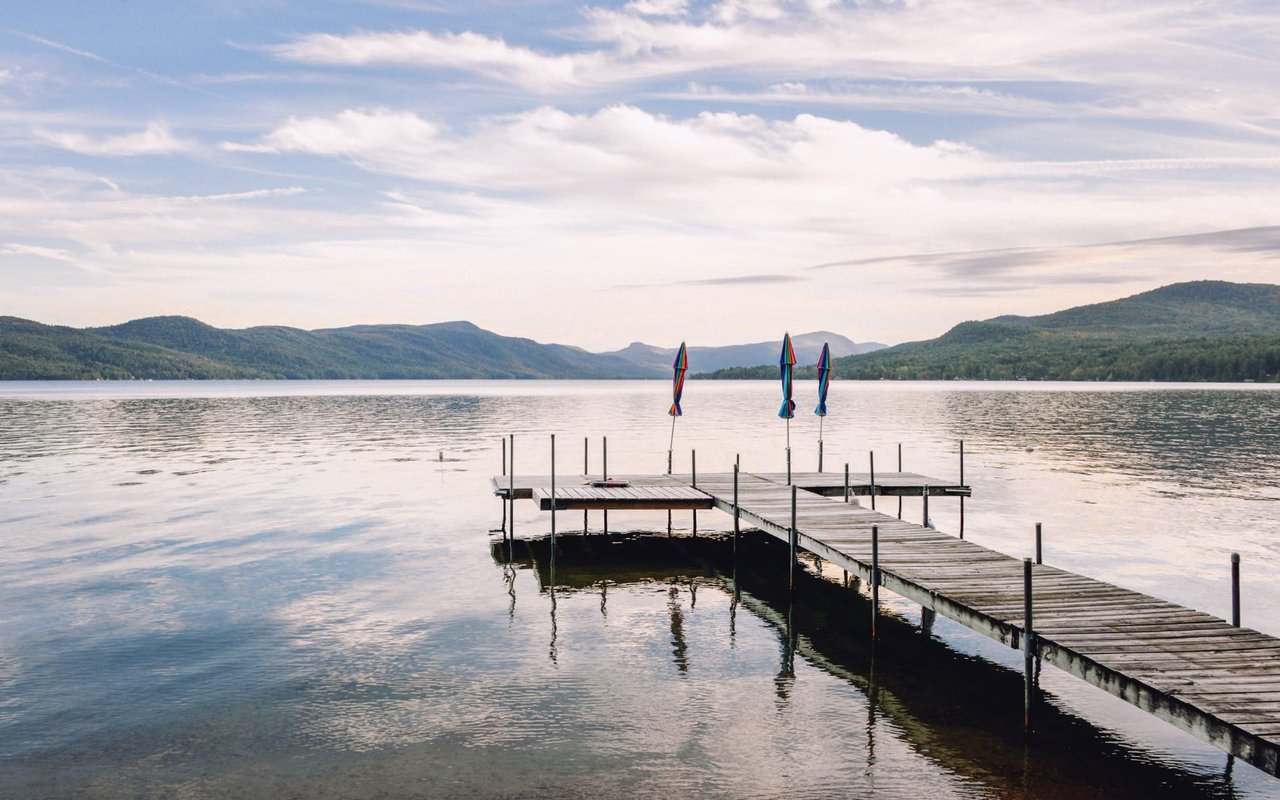
The town is defined by its two lakes — Lake George to the south and Lake Champlain to the east — connected by the La Chute River running through the village core. The terrain transitions from rugged Adirondack foothills to the flatter agricultural land along the Champlain shoreline. Nearly a third of the town's land is State Forest Preserve, which keeps development constrained and the landscape wild.
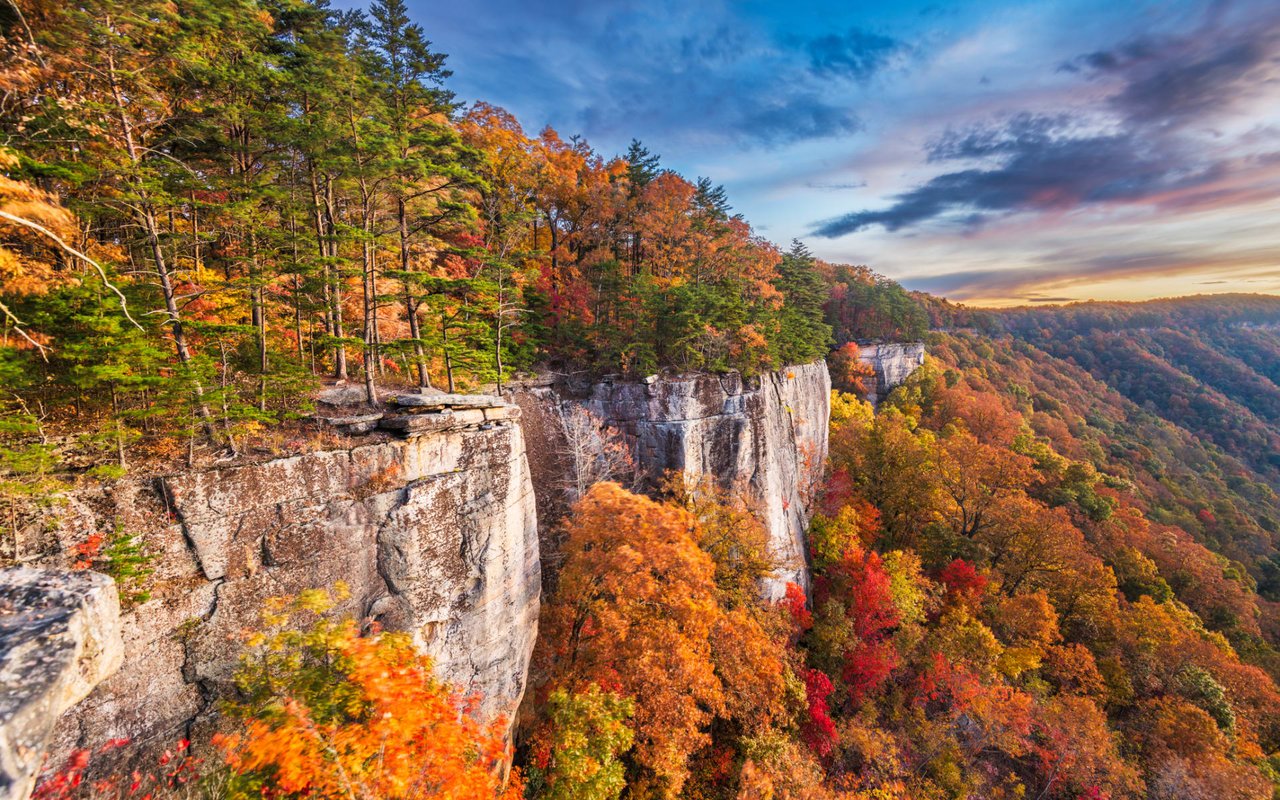
Three state routes converge here — 9N, 22, and 74 — making Ticonderoga a natural crossroads between the Adirondacks and Vermont. A seasonal cable ferry across Lake Champlain connects the town to Shoreham, Vermont in under 10 minutes. Climate is full four-season continental: warm summers peaking around 80°F in July, cold and snowy winters with January lows frequently dropping to the teens, and a spectacular fall foliage season that's one of the region's primary tourism draws.
Ticonderoga's market is one of the more affordable entry points into the Adirondacks — and in 2026, it leans clearly toward buyers.
The median list price sits around $214,500, reflecting a correction of over 20% from 2025 peaks as post-pandemic inflation unwinds. Inventory has recovered sharply — roughly 55–60 active listings in the 12883 zip code, up nearly 70% from the extreme shortage conditions of 2024. Homes average 84 days on market, slower than the frenzy years but still faster than historical norms. The sale-to-list ratio holds near 100%, meaning most homes close at asking price, but increased inventory gives buyers real leverage to negotiate repairs and concessions.
The price range is wide. Fixer-uppers can still be found under $100,000. Renovated historic village homes run $250,000–$450,000. Waterfront properties on Lake George or Lake Champlain regularly exceed $1,000,000 and trade as seasonal second homes. Appreciation is expected to be flat to modest (0–2%) through 2026 — a stabilization story rather than a growth one.
The housing stock reflects every chapter of Ticonderoga's history.
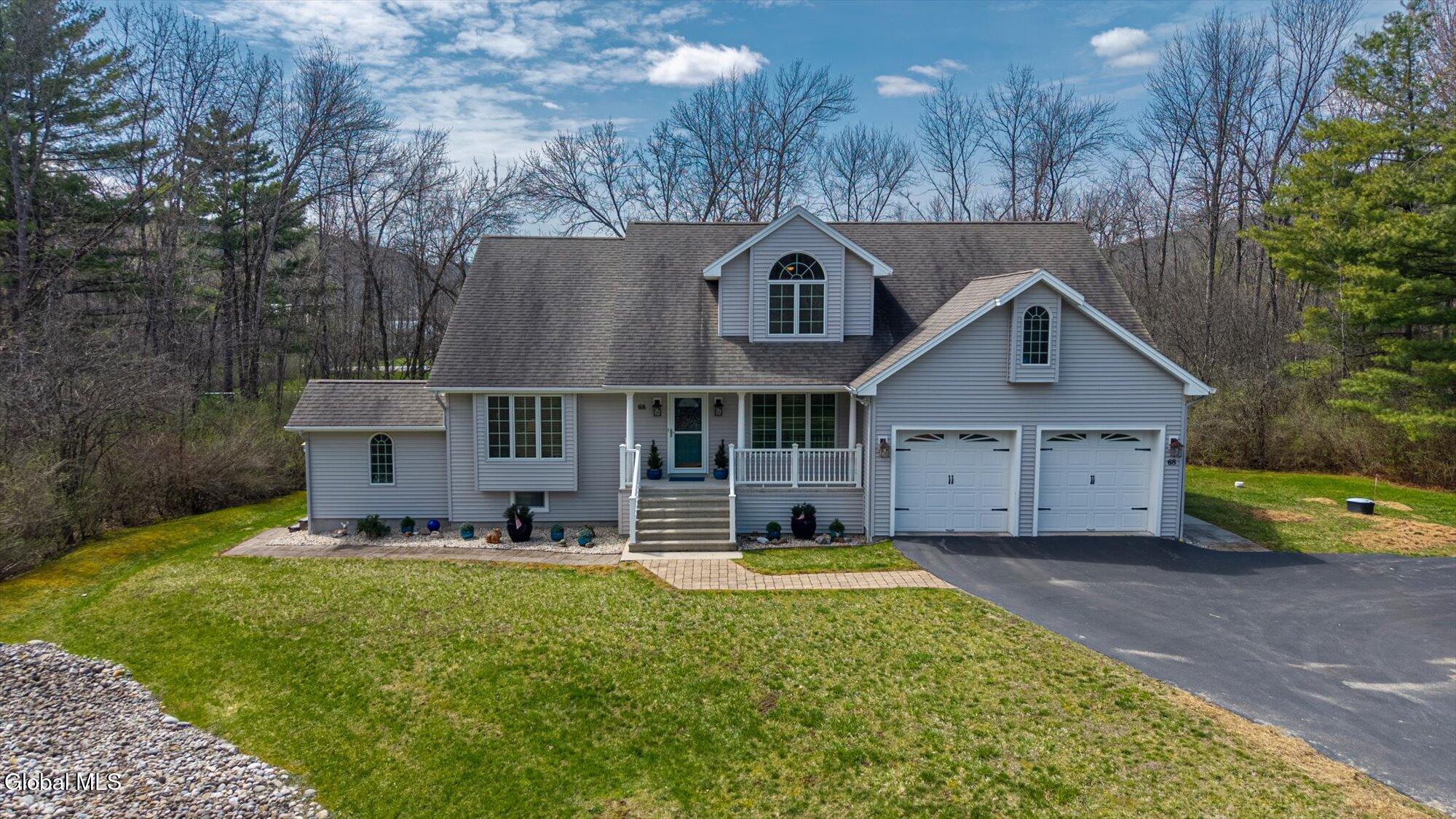
Historic village homes near the La Chute River and Montcalm Street are the architectural heart of the inventory — Victorian, Craftsman, and Colonial Revival styles with original woodwork, wide porches, and character that newer builds can't replicate. Many need modernization, but the bones are exceptional.
Post-war ranches along the town's outskirts and Wicker Street offer single-level living on larger lots. These are popular with retirees and first-time buyers who prioritize practicality over period charm.
Waterfront estates on Black Point Road (Lake George) and along Lake Champlain represent the top of the market. These properties are primarily seasonal second homes, frequently above $1M, and rarely trade.
Multi-family housing tends to be converted Victorians in the village center — 2-to-4 unit properties popular with local investors serving mill workers and NCCC students. Dedicated apartment complexes like Lord Howe and Moses Ludington serve seniors and lower-income residents.
Condos and townhomes are limited. Some newer townhome-style units have emerged near the golf course to serve the vacation market, but this is not a condo-heavy inventory.
Vacant land is available but tightly regulated by the Adirondack Park Agency (APA), which controls density, environmental impact, and development rights throughout the park.
APA Regulations Are Non-Negotiable. Everything inside Adirondack Park is subject to APA oversight. Adding a garage, clearing trees, building a deck near a shoreline — all of it may require APA permits on top of town permits. Factor in extra lead time and cost for any renovation or expansion plans before you make an offer.
Inspect Aggressively. Nearly half of Ticonderoga's homes were built before 1939. Outdated knob-and-tube wiring, lath-and-plaster walls, lead pipes, and aging fuel oil heating systems are common findings. The cost of bringing an older North Country home up to modern standards is a real number — get it on paper before closing.
Flood Zones and the Mill. Properties along the La Chute River and Lake Champlain flats may fall in FEMA-designated flood zones, which triggers mandatory flood insurance requirements. Separately, homes on the north side of town may experience industrial noise or odor depending on wind direction from International Paper's Champlain mill — worth a few site visits at different times of day before committing.
Take Your Time. Ticonderoga is a high-inventory, slow-absorption market. Homes sit 60–90 days as a baseline. There's no reason to waive inspection contingencies or rush a decision — the leverage is on your side.
The Summer Window Is Everything. The market functionally shuts down from November through March. List in late April or May to maximize exposure. Aim to be under contract before August ends and the tourist season closes. A fall listing is a slow listing.
Know Your Buyer. You're marketing to two distinct audiences simultaneously: local families drawn by affordability and the school district, and out-of-state buyers chasing a lakeside camp or a remote work escape from Albany or NYC. Listings that highlight high-speed internet availability, lake access, and proximity to outdoor recreation will outperform those that don't.
Don't Over-Improve. With a median price around $215,000, renovation dollars have diminishing returns fast. Focus on high-ROI moves: energy efficiency upgrades (new windows, heat pumps), fresh exterior paint, and clean curb appeal. An older home that looks maintained sells faster than one that looks neglected, regardless of what's inside.
Price Accurately From Day One. Homes priced at fair market value in this market move within two months. Homes overpriced by even 10% routinely sit past 200 days. In a buyer's market with rising inventory, pricing discipline isn't optional — it's the entire strategy.
Day-to-day shopping runs through Walmart Supercenter on Wicker Street for groceries, household goods, and pharmacy. Stewart's Shops — a hyper-local Upstate NY institution — handle coffee, milk, eggs, and their cult-status house-brand ice cream at multiple locations throughout town.
For specialty and natural foods, the Ticonderoga Natural Foods Co-op on Montcalm Street offers organic produce, bulk goods, and locally sourced Adirondack meats and cheeses.
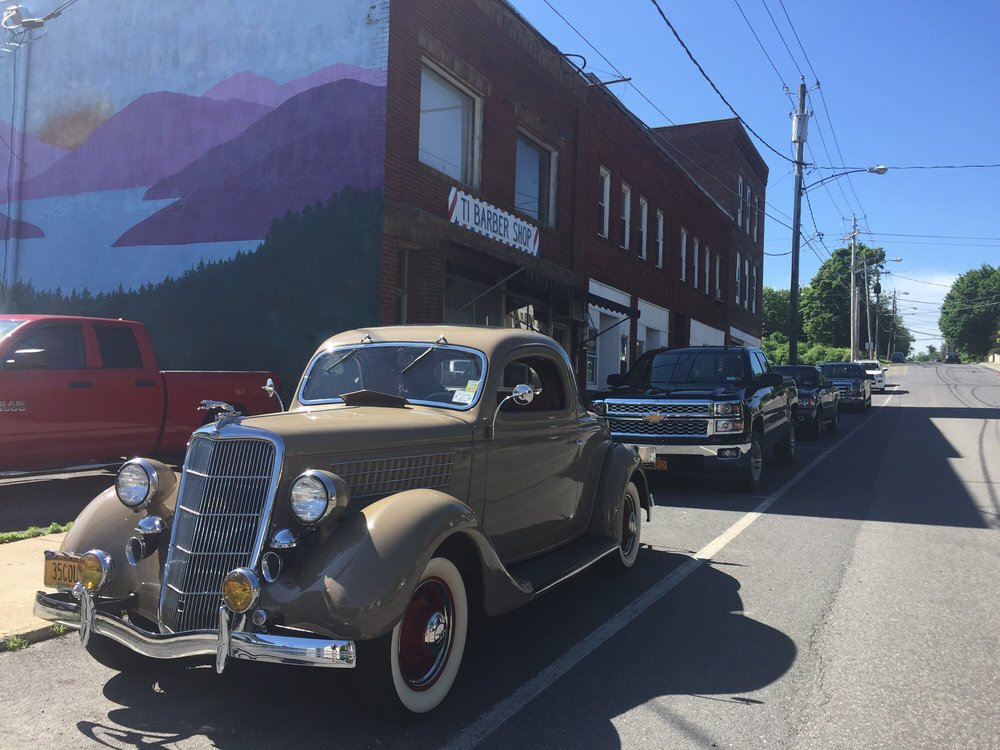
Montcalm Street (Downtown) is where independent retail lives. Fox and Fern Adirondack Mercantile handles elevated gifts and home goods. Small Town Boutique covers local fashion. Sugar and Spice Country Shoppe is the go-to for antiques and Adirondack-aesthetic décor. Ti Arts Downtown Gallery shows regional painters and potters year-round.
For fresh produce and pantry staples, Gunnison's Orchards in nearby Crown Point is worth the short drive north — apples, cider donuts, local jams, and a genuine farm-stand experience.
For anything beyond this — major department stores, big-box retail, or specialty fashion — residents make the 45-minute run to Glens Falls/Queensbury.
On the Water: Black Point Public Beach on northern Lake George is the town's premier swim spot, with a natural sand bottom and unobstructed views of Rogers Rock. Snug Harbor Marina offers boat rentals and island camping on Lake George. The Ticonderoga Boat Launch on Lake Champlain hosts professional bass fishing tournaments and gives access to a much larger, deeper waterway. The La Chute River is an active kayak and canoe route from Bicentennial Park's lower falls to the Champlain mouth.
On the Trails: The La Chute River Walk is a 3-mile interpretive loop through town, passing waterfalls, historic mill remnants, and the covered Kissing Bridge in Bicentennial Park — flat and accessible. Cook Mountain is a moderate 2.9-mile hike with panoramic Lake George views without the southern Adirondack crowds. Mount Defiance — historically where the British placed cannons to force the Americans from the fort — can be hiked or driven and delivers a full bird's-eye view of Fort Ticonderoga and the Vermont range.
Organized Recreation: Ticonderoga Golf Course in Lord Howe Valley just completed major renovations to its greens and clubhouse. Five Nations Golf adds a family-oriented driving range and historically themed mini-golf. The town's Recreational Park covers tennis, pickleball, Little League, and an outdoor ice skating rink in winter.
Ticonderoga's identity is genuinely layered — military heritage, blue-collar industrial pride, and lakeside leisure all braided together, and none of it feels manufactured for tourists.
The social calendar anchors around the "Best 4th in the North" — a multi-day Independence Day celebration in Bicentennial Park that's legendary regionally, with a major parade, live music, and fireworks. Trekonderoga is one of the more surreal annual events anywhere in the Northeast: a Star Trek convention that brings fans worldwide to tour meticulously recreated Original Series sets, creating the specific absurdity of Redshirts and 18th-century British Redcoats coexisting on Montcalm Street for a weekend. Fort Ticonderoga's Garrison After Dark tours, Living History musket demonstrations, and Fife and Drum performances aren't just tourist programming — locals actually show up.
The Ticonderoga Heritage Museum, housed in the only surviving building from the original paper company, anchors the town's industrial identity. The pencil story matters here. So does knowing someone whose grandfather worked the mill.
Winters are inward-facing — school sports, fundraiser breakfasts, and a community that genuinely knows its neighbors. Summer brings seasonal residents and a more active social scene, but the local core doesn't shift.
Ticonderoga Central School District serves around 750 students across two buildings with a student-teacher ratio of approximately 13:1 — small by any standard.
Ticonderoga Elementary/Middle School covers PK–8 and includes a Universal Pre-Kindergarten program developed in partnership with local community organizations. Ticonderoga Jr./Sr. High School serves grades 9–12 with a historical graduation rate around 90%. The district actively uses Fort Ticonderoga as a curriculum resource — living history programming that most schools can only read about in textbooks.
For higher education, North Country Community College maintains an 18,000-square-foot satellite campus in town with programs in Nursing, Liberal Arts, and Health Sciences — a meaningful asset for residents pursuing degrees without relocating. Fort Ticonderoga also runs annually recognized "War College" seminars on 18th-century military history that draw scholars from across the country.
Early childhood options include the Silver Bay YMCA's Ticonderoga Community Early Learning Center on Amherst Avenue.
Ticonderoga is a driver's town. NY-74 is the critical artery, connecting directly to I-87 (The Northway) and putting Albany about 1 hour 45 minutes south and Montreal around 2 hours 15 minutes north. NY-9N runs scenic but winding toward Lake George and Glens Falls. NY-22 connects south to Whitehall and east toward Vermont.
The Fort Ti Ferry — a historic cable ferry — crosses Lake Champlain to Shoreham, Vermont in six minutes and serves as a genuine shortcut for anyone commuting toward Middlebury or Rutland. It runs seasonally.
Amtrak's Adirondack line stops in Ticonderoga once daily in each direction — south to New York Penn Station (roughly 5.5 hours) and north to Montreal. The stop is basic (a platform and shelter near the Fort), but the connection is real and useful. Essex County Public Transportation runs the "Champlain South" weekday bus route connecting Ticonderoga to Port Henry, Crown Point, and Elizabethtown.
For air travel, residents use Albany International (ALB), Burlington International (BTV), or Plattsburgh International (PBG) — all roughly 60–100 miles away depending on direction.
Because it's the real thing. Not a manufactured Adirondack experience, not a resort town that empties in October — an actual community with a working mill, a public school district people care about, a diner where they know your order, and a fort where costumed interpreters fire muskets every weekend.
The natural setting is extraordinary in a way that genuinely doesn't get old — two major lakes, mountain terrain, waterfalls running through the village itself, and a fall foliage season that draws photographers from across the region. The history isn't decorative here; it's architectural, it's in the curriculum, it's the reason the town exists.
For buyers, it offers Adirondack access at a fraction of the cost of Lake Placid or Lake George Village, with a real community underneath the scenery. For sellers, it holds value among a buyer pool increasingly drawn by remote work flexibility and the specific appeal of a place with genuine character. For anyone asking what it's like to live here — the answer involves knowing your neighbors, accepting serious winters without complaint, and understanding that the best view in town is free, and it's usually right outside.
Ticonderoga has 1,403 households, with an average household size of 2.33. Data provided by the U.S. Census Bureau. Here’s what the people living in Ticonderoga do for work — and how long it takes them to get there. Data provided by the U.S. Census Bureau. 3,375 people call Ticonderoga home. The population density is 789.98 and the largest age group is Data provided by the U.S. Census Bureau.
Total Population
Population Density Population Density This is the number of people per square mile in a neighborhood.
Median Age
Men vs Women
Population by Age Group
0-9 Years
10-17 Years
18-24 Years
25-64 Years
65-74 Years
75+ Years
Education Level
Total Households
Average Household Size
Average individual Income
Households with Children
With Children:
Without Children:
Marital Status
Blue vs White Collar Workers
Blue Collar:
White Collar:
There's plenty to do around Ticonderoga, including shopping, dining, nightlife, parks, and more. Data provided by Walk Score and Yelp.
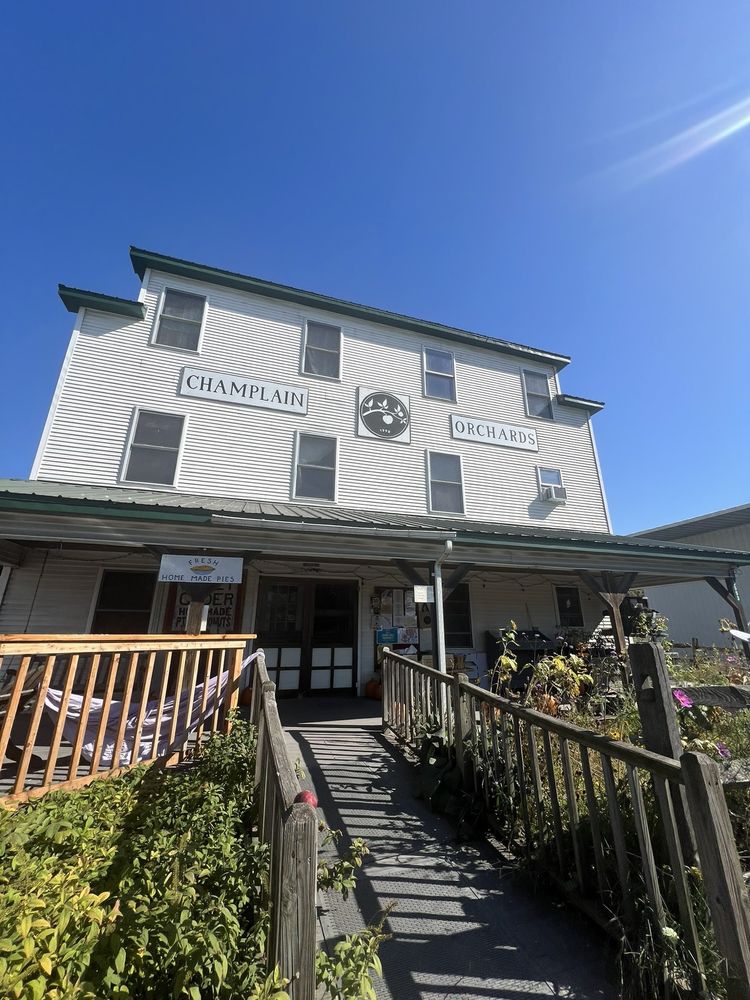
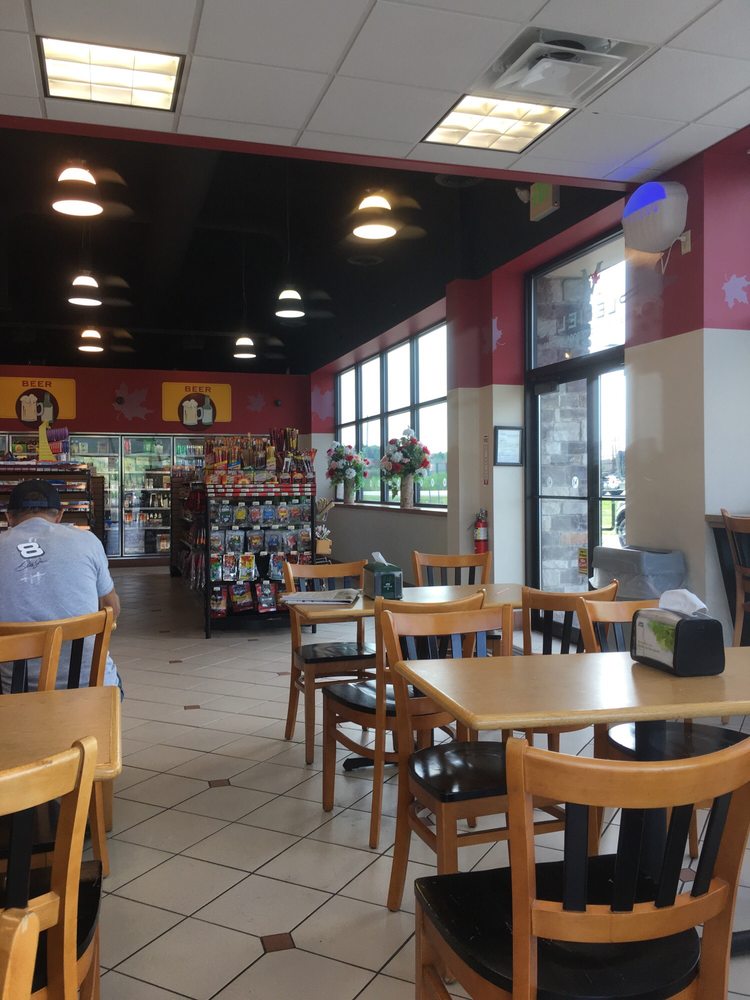
Explore popular things to do in the area, including Stewart's Shops, Champlain Orchards, and Mobil.
| Name | Category | Distance | Reviews |
Ratings by
Yelp
|
|---|---|---|---|---|
| Dining · $$ | 0.65 miles | 5 reviews | 4.8/5 stars | |
| Dining · $ | 3.72 miles | 13 reviews | 4.8/5 stars | |
| Dining · $ | 1.45 miles | 4 reviews | 5/5 stars | |
| Dining | 0.6 miles | 13 reviews | 4.7/5 stars | |
| Dining | 0.56 miles | 3 reviews | 5/5 stars | |
| Dining · $ | 0.58 miles | 79 reviews | 4.3/5 stars | |
| Beauty | 0.54 miles | 2 reviews | 5/5 stars | |
|
|
||||
|
|
||||
|
|
||||
|
|
||||
|
|
||||
|
|
Get assistance in determining current property value, crafting a competitive offer, writing and negotiating a contract, and much more. Contact us today.