By Sherwood Group
Lake George's most compelling properties are often its oldest ones — homes with original millwork, wide-plank floors, and architectural details that newer construction simply can't replicate. Updating them requires a specific discipline: knowing what to preserve, what to modernize, and where both can coexist without conflict. We work with historic homeowners throughout the Lake George area regularly, and these are the principles we return to every time.
Key Takeaways
- Identifying what's irreplaceable comes before any renovation planning
- Kitchens and bathrooms can be modernized without erasing period character
- Mechanical systems are where to modernize most aggressively and show the least
- Local contractor experience and historic guidelines matter more here than in newer markets
Preserve What Makes the Home Special First
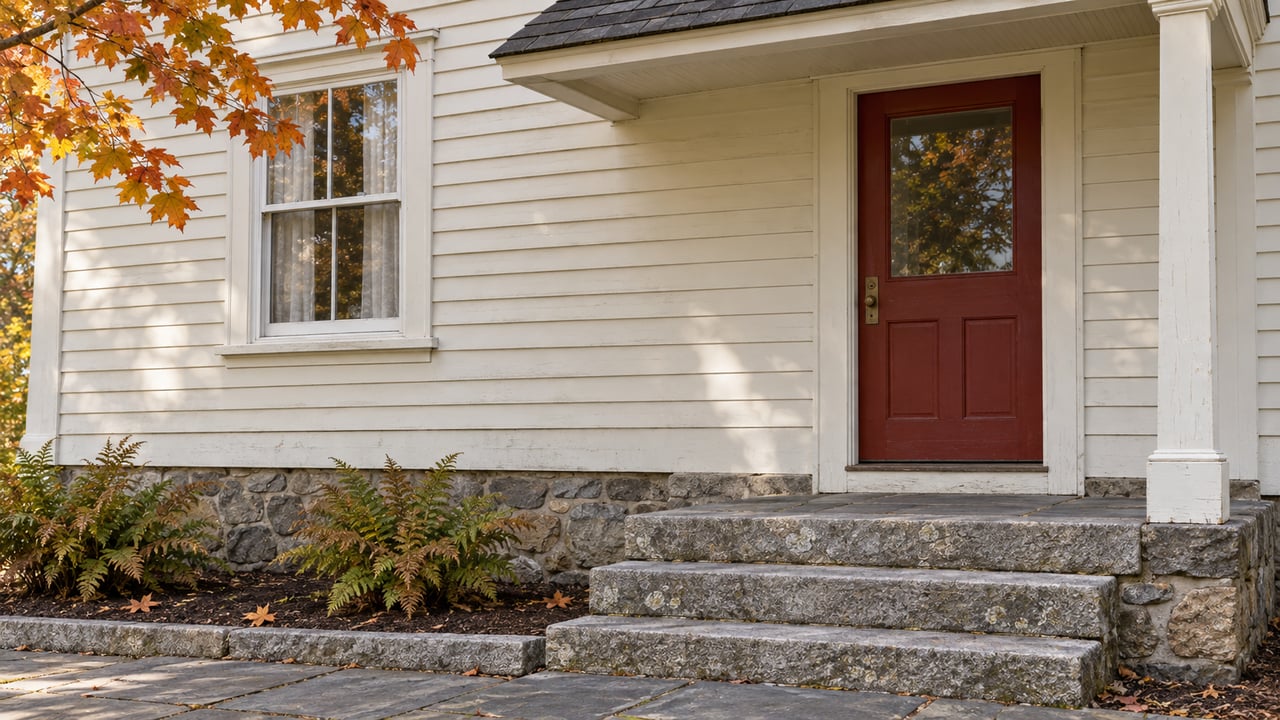
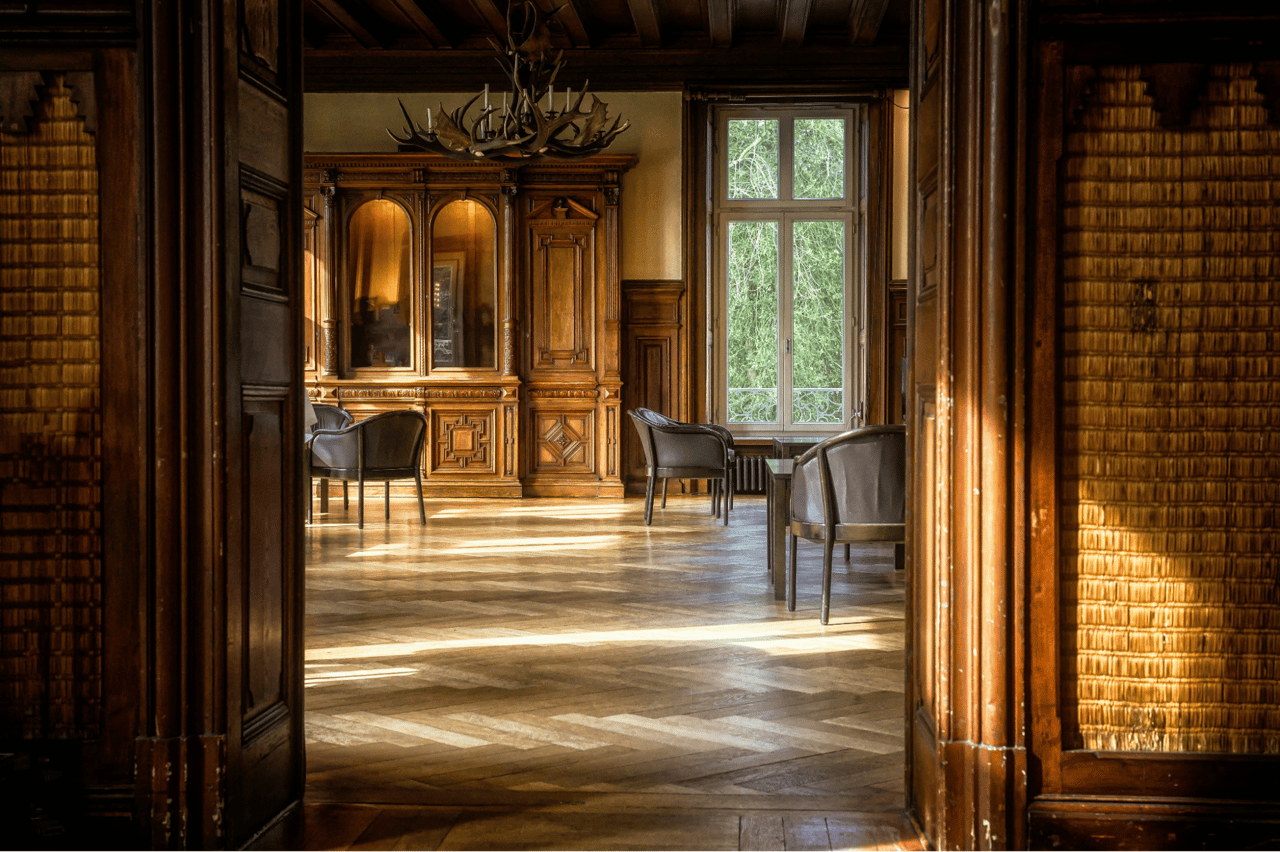
Before planning any update, walk through the home and identify what gives it irreplaceable character. In Lake George's historic housing stock — Victorian cottages, Craftsman bungalows, and early Colonial homes that line the lake and surrounding villages — that typically means original wood floors, built-in cabinetry, plaster walls, and period trim. The discipline of preservation-first prevents the most common and costly historic renovation mistake: removing things you can never get back.
What to Protect Before You Touch Anything
- Original hardwood or wide-plank flooring — refinish rather than replace whenever structurally sound
- Period millwork, trim, and built-ins — these define a home's architectural identity more than any single feature
- Plaster walls where intact — patching preserves acoustic and visual quality that drywall replacement loses
- Transoms, divided-light windows, and original hardware — restore and protect rather than swap for modern equivalents
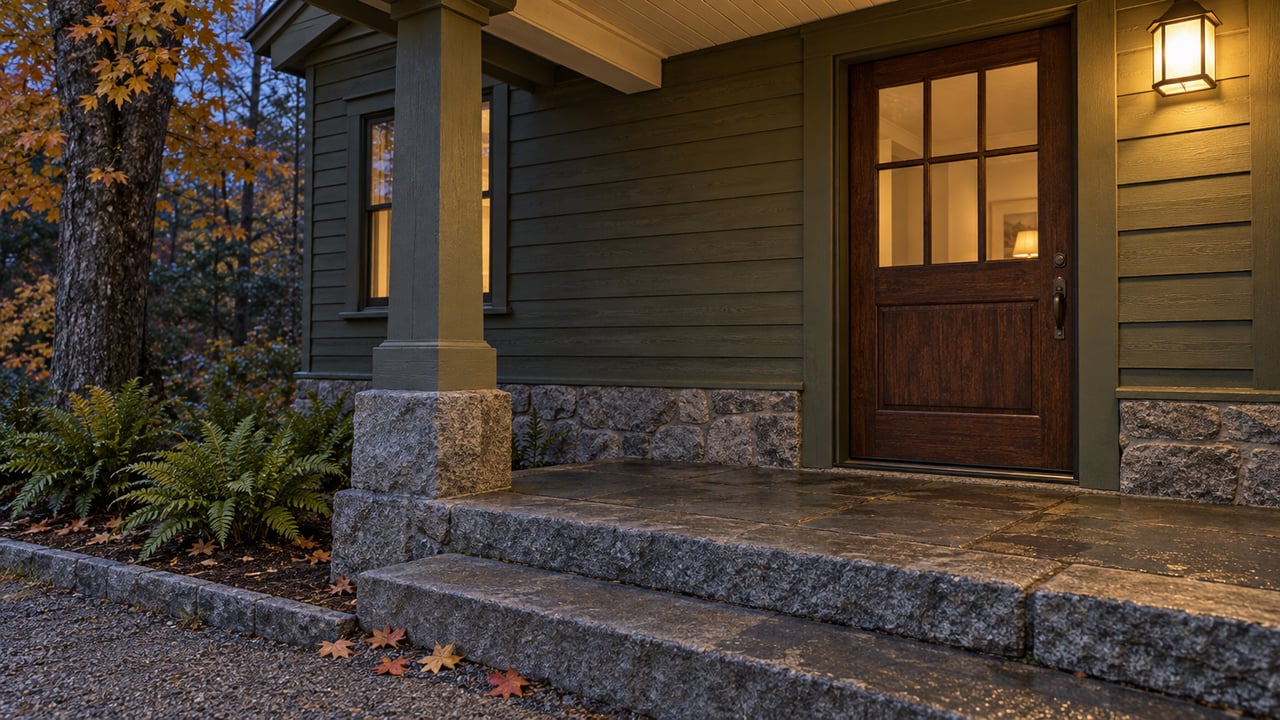
- Exterior cladding and roofline profiles — changes here affect historic character and can trigger preservation compliance issues
Kitchen and Bathroom Updates That Honor the Bones
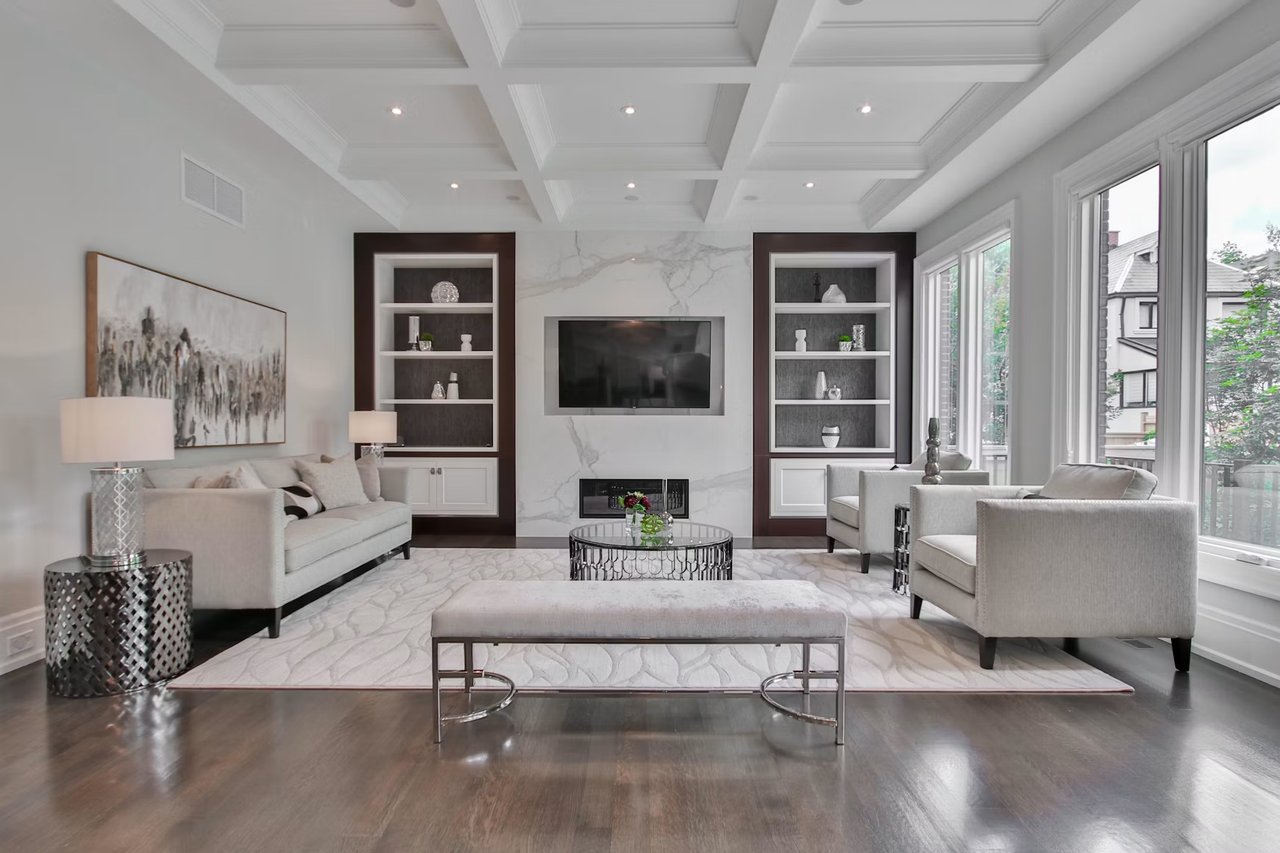
Kitchens and bathrooms are where owners want modern function most — and where historic character is most often sacrificed unnecessarily. The goal is updating finishes, fixtures, and layout within the existing footprint rather than reconfiguring in ways that erase the room's original proportions and feel. Most historic kitchens and bathrooms respond beautifully to targeted refresh without structural intervention.
Approaches That Balance Modern Function With Period Character
- Cabinet style: Shaker profiles and painted finishes read as timeless and compatible with most period homes
- Hardware: unlacquered brass, oil-rubbed bronze, and ceramic knobs maintain period appropriateness without looking costume
- Countertops: honed marble, soapstone, and butcher block are era-appropriate and perform well in older kitchens
- Tile: subway tile, encaustic patterns, and hexagonal mosaic floors are period-compatible and photograph beautifully
- Fixtures: widespread faucets and exposed plumbing in brushed finishes complement rather than conflict with historic character
Mechanical Systems: Modernize Here First and Most Aggressively
Historic homes in Lake George, New York often carry aging electrical panels, older plumbing, and heating systems that are both inefficient and approaching end of life. Mechanical upgrades are where we advise owners to spend most aggressively — because they directly affect comfort, insurability, and resale value without disturbing the visible historic character that buyers are actually paying for.
System Upgrades Worth Prioritizing
- Electrical: update to 200-amp service and replace knob-and-tube or aluminum wiring where present
- Plumbing: replace galvanized supply lines and address drainage issues before they become visible damage
- Insulation: dense-pack blown insulation in wall cavities improves efficiency without disturbing original cladding
- HVAC: mini-split systems are the preferred solution in historic homes — no ductwork, minimal wall penetration required
- Weatherization: new weatherstripping, window re-glazing, and door threshold seals improve efficiency without removing original windows
Working With Local Contractors and Historic Guidelines
Lake George's historic housing stock requires contractors who understand period construction methods and materials — not every skilled tradesperson has that background. Working with the wrong contractor produces updates that look incompatible with the home's character, and can create compliance issues in designated historic areas or properties with deed restrictions that aren't always obvious at purchase.
How to Find the Right Help and Navigate the Rules
- Seek contractors with documented historic restoration experience specifically — not just general renovation backgrounds
- Verify whether your property sits within a local historic district before planning any exterior changes
- New York State Historic Preservation Office (SHPO) resources are useful for homeowners navigating significant restoration work
- Period-appropriate materials — true divided-light sashes, solid wood doors, lime-based mortars — are worth the premium over modern substitutes
- Pull permits for all mechanical and structural work — unpermitted work in historic homes creates specific problems at resale
Frequently Asked Questions
Does Updating a Historic Home Hurt Its Resale Value in Lake George?
Done thoughtfully, the opposite is true. Buyers in Lake George's market seek historic character — and a home that combines that character with modern systems and updated kitchens commands a meaningful premium over one that hasn't been touched.
How Do We Know If Our Home Is in a Protected Historic District?
Check with your local municipality directly — designation status isn't always obvious from a listing or deed. We help every buyer and seller understand any preservation restrictions before decisions are made that affect compliance.
What's the Most Common Mistake We See in Historic Home Renovations?
Over-modernizing kitchens or bathrooms in ways that break the home's coherent character. A sleek contemporary kitchen in a Victorian cottage creates a conflict that buyers notice immediately — and that's expensive to undo before listing.
Connect With Sherwood Group to Sell or Update Your Lake George Home
Historic homes in Lake George reward owners who treat them thoughtfully — and that thoughtfulness pays back at the selling table. Reach out to us at Sherwood Group and let's talk through what your property needs.
We're here to help you get it right.