By the Sherwood Group
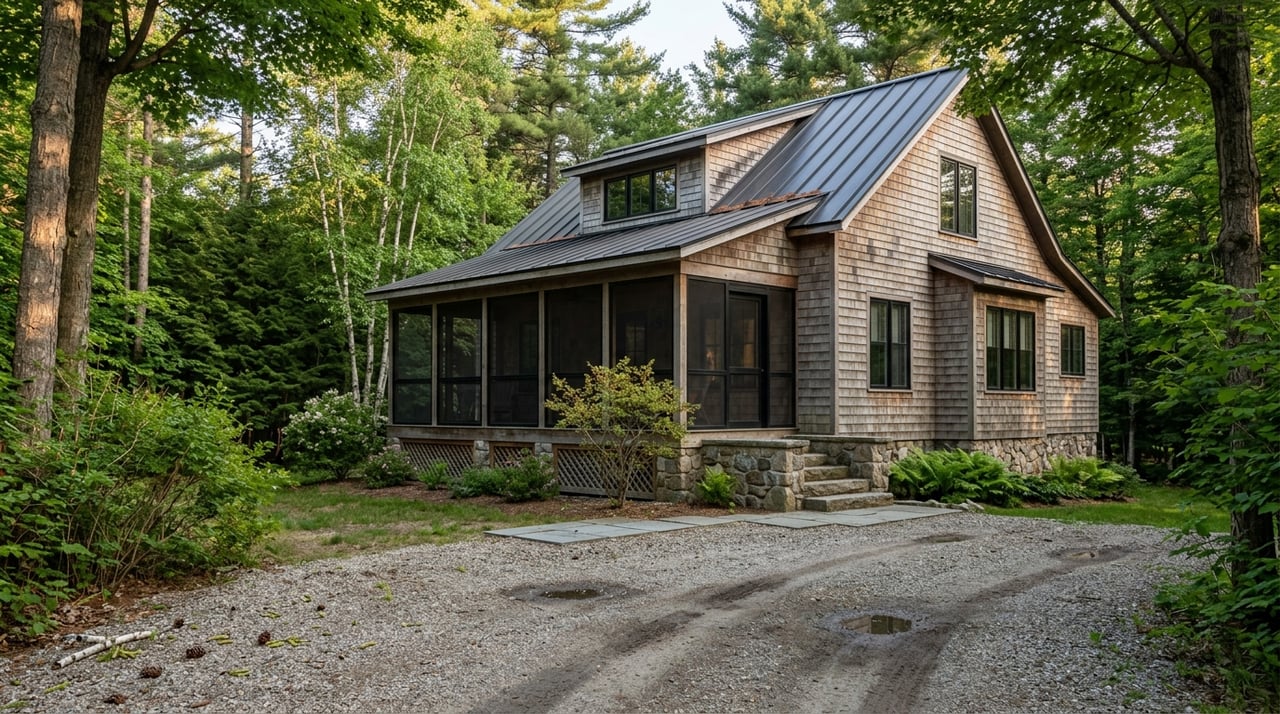
Lake George has a story that stretches back centuries, and that history is written into the architecture of the region as much as it is into any book. From grand Victorian-era cottages that line the shore to late 19th-century farmhouses tucked into the surrounding Adirondack foothills, the area holds a remarkable collection of historic properties that draw buyers looking for something with character and a genuine sense of place. If you've ever driven past a century-old home on the lake and wondered what it would take to own one, you're not alone.
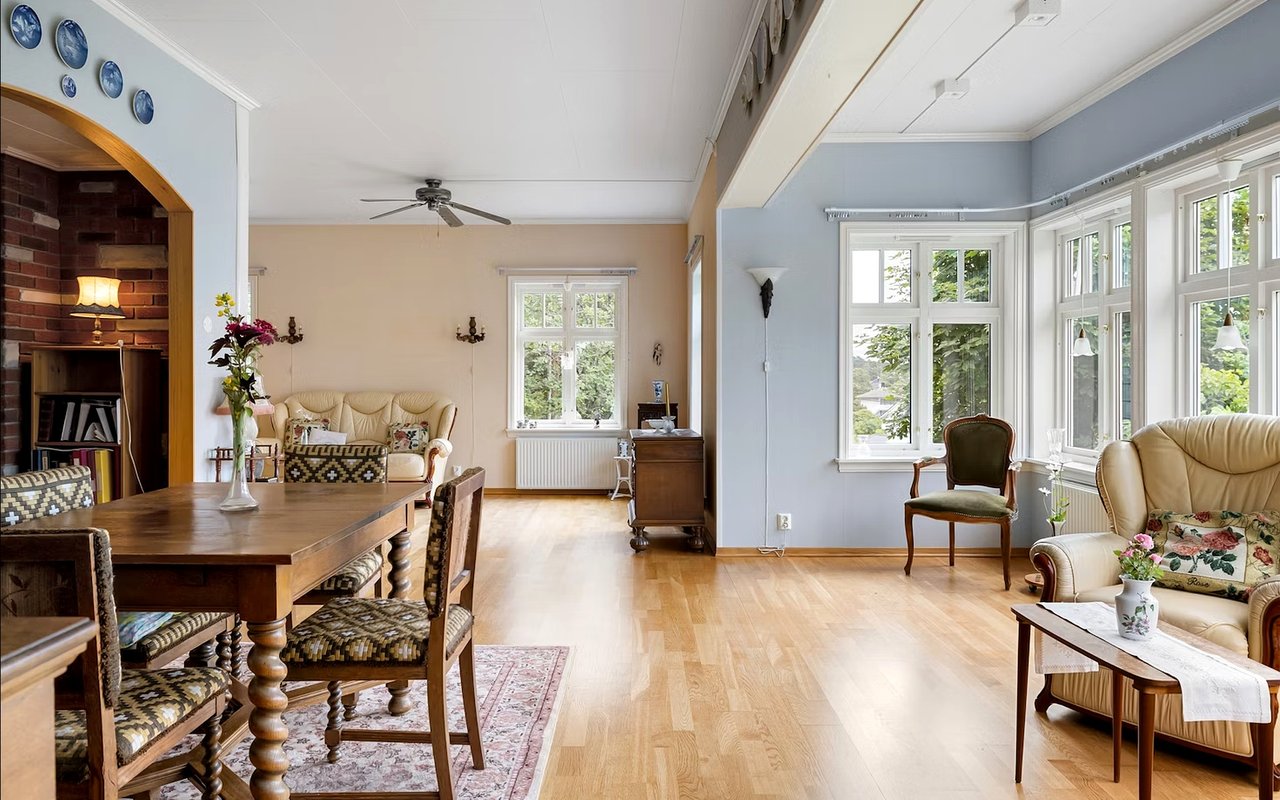
Finding a historic home on Lake George is a different kind of search than browsing new construction listings or recently renovated properties. These homes don't always appear prominently in standard searches, and they require a more deliberate approach to evaluate properly. The architectural details that make them compelling — wide-plank hardwood floors, original millwork, and wraparound porches with views of the water — also come with their own set of considerations around maintenance, updates, and preservation.
The reward, for the right buyer, is a home that no amount of new construction can replicate. Historic properties on Lake George carry a presence and a story that becomes part of your life the moment you move in.
Key Takeaways
-
Historic homes on Lake George require a more targeted search strategy than standard real estate listings.
-
Working with a local agent who knows the area's inventory and architectural history is one of the most effective ways to find off-market and under-the-radar opportunities.
-
A thorough inspection by a professional who is experienced with older construction is essential before making an offer on a historic property.
What to Evaluate When Touring a Historic Home
The evaluation process requires more scrutiny than a standard home tour. The details that make older homes attractive — original materials, hand-built features, and period architectural characteristics — can also mask deferred maintenance or structural issues that only become visible with the right expertise.
Pay close attention to the foundation, roofline, and any signs of water intrusion during your initial walkthrough. Historic homes in the Lake George area are often subject to significant seasonal temperature swings and moisture exposure, both from weather and proximity to the lake. How the home has managed that exposure over the decades tells you a great deal about what you may be taking on.
Lead paint and older wiring are standard considerations in pre-1978 construction and will surface in any competent inspection. What matters more is how the previous owners have addressed these issues and whether any updates were made thoughtfully or in ways that compromise the home's original character. A knob-and-tube electrical system that was partially updated without a complete overhaul, for example, is a more complicated scenario than one that was fully replaced.
Pay close attention to the foundation, roofline, and any signs of water intrusion during your initial walkthrough. Historic homes in the Lake George area are often subject to significant seasonal temperature swings and moisture exposure, both from weather and proximity to the lake. How the home has managed that exposure over the decades tells you a great deal about what you may be taking on.
Lead paint and older wiring are standard considerations in pre-1978 construction and will surface in any competent inspection. What matters more is how the previous owners have addressed these issues and whether any updates were made thoughtfully or in ways that compromise the home's original character. A knob-and-tube electrical system that was partially updated without a complete overhaul, for example, is a more complicated scenario than one that was fully replaced.
Key Items to Assess Before Making an Offer
-
The foundation type and condition, including whether there are signs of settling, water infiltration, or deteriorating mortar in stone foundations common to older construction.
-
The roof age and condition, with particular attention to any original slate or wood shingle roofing that may require specialist repair rather than standard replacement.
-
The condition of original windows, which are often worth preserving but may need reglazing, weatherstripping, or storm window installation to perform adequately.
-
The plumbing system, including whether it has been updated from original galvanized or cast iron supply lines and whether the drain system has been inspected for root intrusion or deterioration.
-
The heating system and whether any updates accommodate the insulation levels and air sealing typical of a renovated historic home versus the drafty construction common to older builds.
Repairs, Updates, and Ongoing Maintenance for Historic Homes
Owning a historic home on Lake George is a treasure, but it comes with a maintenance rhythm that differs from what you'd expect with newer construction. Older homes were built with materials and methods that have their own requirements, and staying ahead of maintenance is far less costly than addressing deferred problems after the fact. Understanding what to expect before you buy helps you plan realistically and enjoy the home the way it was meant to be enjoyed.
The Lake George region's climate adds a layer of complexity to historic home maintenance. Harsh winters, freeze-thaw cycles, and the moisture environment near the water all affect older materials more intensely than they affect modern construction with contemporary weatherproofing. Stone foundations, original siding, and aging rooflines require seasonal attention that a newer home simply doesn't demand to the same degree. Budgeting for this maintenance as an ongoing line item, rather than treating it as an occasional surprise, is one of the habits that distinguishes successful historic homeowners from frustrated ones.
The flip side is that historic homes were often built with materials that outperform what's used today. Old-growth timber framing, hand-laid stone foundations, and original hardwood floors are durable in ways that modern lumber and engineered materials aren't. Maintaining these features rather than replacing them is almost always the better long-term investment, both for the home's structural integrity and its value.
The Lake George region's climate adds a layer of complexity to historic home maintenance. Harsh winters, freeze-thaw cycles, and the moisture environment near the water all affect older materials more intensely than they affect modern construction with contemporary weatherproofing. Stone foundations, original siding, and aging rooflines require seasonal attention that a newer home simply doesn't demand to the same degree. Budgeting for this maintenance as an ongoing line item, rather than treating it as an occasional surprise, is one of the habits that distinguishes successful historic homeowners from frustrated ones.
The flip side is that historic homes were often built with materials that outperform what's used today. Old-growth timber framing, hand-laid stone foundations, and original hardwood floors are durable in ways that modern lumber and engineered materials aren't. Maintaining these features rather than replacing them is almost always the better long-term investment, both for the home's structural integrity and its value.
Maintenance Priorities for Historic Homes on Lake George
-
The exterior envelope, including siding, trim, and roofing, should be inspected every year for paint failure, wood rot, or compromised flashing, all of which allow moisture intrusion that accelerates deterioration quickly in this climate.
-
Original wood windows require periodic reglazing, repainting, and weatherstripping to perform through winter; when maintained properly, they can outperform replacement windows in both longevity and character.
-
Stone or brick foundation pointing should be checked every few years and repointed with lime-based mortar rather than modern Portland cement, which is too rigid for historic masonry and can cause cracking over time.
-
Gutters and downspouts on older homes need regular clearing and inspection to ensure water is directed away from the foundation, as drainage failures are one of the leading causes of moisture damage in historic properties.
-
Heating systems in older homes often work harder to condition spaces with less insulation; upgrading insulation in attics and crawl spaces, where it doesn't affect historic fabric, is one of the highest-return improvements an owner can make.
Balancing Updates With Preservation
One of the most common questions that historic homeowners face is where to draw the line between updating a home for modern comfort and preserving the features that make it worth owning in the first place. The answer is rarely all-or-nothing.
Most historic homes on Lake George benefit from thoughtful updates to mechanical systems, insulation, and kitchens or bathrooms — as long as those updates don't come at the expense of original architectural details.
The principle that most preservation professionals follow is reversibility. Updates that can be undone without damaging original materials are generally considered appropriate, while changes that permanently alter or remove historic fabric are worth reconsidering. Replacing original plaster with drywall, removing original millwork, or covering hardwood floors with tile are the kinds of changes that tend to reduce a historic home's value and character, even when they're made with good intentions.
When major systems need to be replaced, working with contractors who have experience in historic properties makes a meaningful difference. Running new electrical or plumbing through an older home requires a different approach than in new construction, and a contractor unfamiliar with historic materials can cause unnecessary damage in the process. The same applies to insulation and air sealing work, where improper installation in an older home can trap moisture and create conditions that accelerate wood decay.
Most historic homes on Lake George benefit from thoughtful updates to mechanical systems, insulation, and kitchens or bathrooms — as long as those updates don't come at the expense of original architectural details.
The principle that most preservation professionals follow is reversibility. Updates that can be undone without damaging original materials are generally considered appropriate, while changes that permanently alter or remove historic fabric are worth reconsidering. Replacing original plaster with drywall, removing original millwork, or covering hardwood floors with tile are the kinds of changes that tend to reduce a historic home's value and character, even when they're made with good intentions.
When major systems need to be replaced, working with contractors who have experience in historic properties makes a meaningful difference. Running new electrical or plumbing through an older home requires a different approach than in new construction, and a contractor unfamiliar with historic materials can cause unnecessary damage in the process. The same applies to insulation and air sealing work, where improper installation in an older home can trap moisture and create conditions that accelerate wood decay.
Updates That Add Value Without Compromising Character
-
Upgrading the electrical panel and wiring to modern standards while preserving the original trim and wall surfaces.
-
Installing a high-efficiency HVAC system that works with the existing layout rather than requiring ductwork that disrupts original ceilings or floors.
-
Updating kitchen and bathroom fixtures and finishes in a style that complements the home's period without introducing materials that feel visually out of place.
-
Adding attic and crawl space insulation to improve energy performance without touching the original wall construction or interior plaster.
-
Restoring original windows with weatherstripping, rope and pulley hardware, and storm window additions rather than replacing them with modern units.
FAQs
Are Historic Homes on Lake George More Expensive Than Standard Properties?
Not necessarily. Price depends on condition, location, waterfront access, and the extent of any updates already completed. A formally designated historic home in excellent condition on the water will carry a premium, but an older home in the surrounding hills or a village setting may be priced comparably to or below newer construction.
What Should I Look for in an Inspector for a Historic Home?
Look for an inspector with direct experience with evaluating pre-1940 construction, familiarity with older structural systems, and knowledge of period-specific materials, such as plaster walls, old-growth timber framing, and original masonry. A general inspector without this background may miss conditions that are specific to older builds.
Finding the Home That Fits Your Story
Historic homes on Lake George don't come to market every day, and the ones worth owning tend to move when the right buyer is paying attention. The search takes patience, local knowledge, and a clear sense of what you're looking for — but for buyers who want a home with character and a connection to this region's past, the effort is more than worth it.
When you're ready to start your search, we know this market and its inventory well, including the properties that rarely appear in standard listings. Reach out to our team at the Sherwood Group, and let's talk about what you're looking for. The right historic home on Lake George may be closer than you think.
When you're ready to start your search, we know this market and its inventory well, including the properties that rarely appear in standard listings. Reach out to our team at the Sherwood Group, and let's talk about what you're looking for. The right historic home on Lake George may be closer than you think.