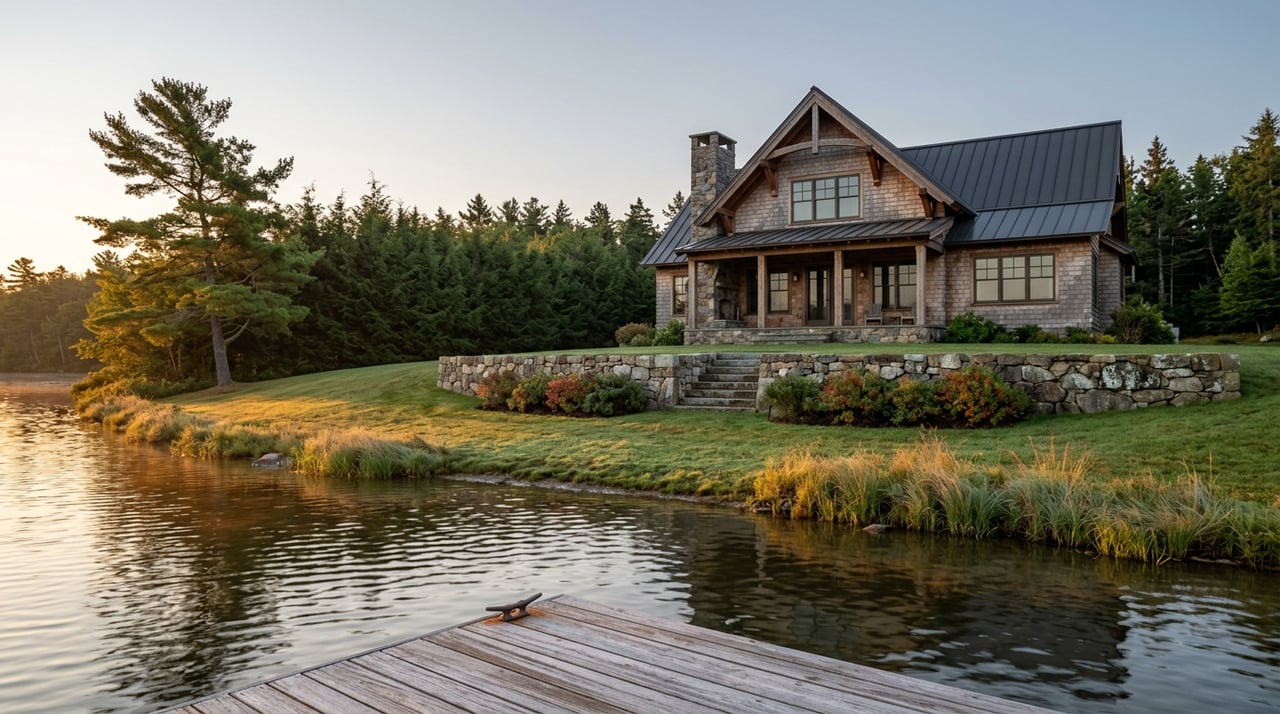
Anyone who has paddled out of the Clay Meadows lot before seven in the morning knows the version of Northwest Bay that sells itself: flat water, herons working the marsh grass, the Tongue Mountain Range still holding shadow on its eastern face. That version is real, and it is why people love this stretch of Lake George's west shore. But it is not the whole story, and residents who plan their time on the water around "the bay is always calmer than the open lake" are working from an assumption that runs backward on the days that matter most.
Northwest Bay is sheltered. That much is true and it's the reason boaters have always used it as a wind refuge. The problem is that shelter cuts both ways. On the days the open lake gets choppy, the boats that would otherwise be out past Bolton Landing or working the Narrows don't stay home. They come here, because a bay that blocks wind for a kayaker also blocks it for a twenty-two-foot inboard trying to avoid three-foot rollers. That means the quietest-looking body of water on the lake fills up precisely when conditions elsewhere turn rough, which is the opposite of how most people plan a paddle.
The Shelter Everyone Wants on the Same Afternoon
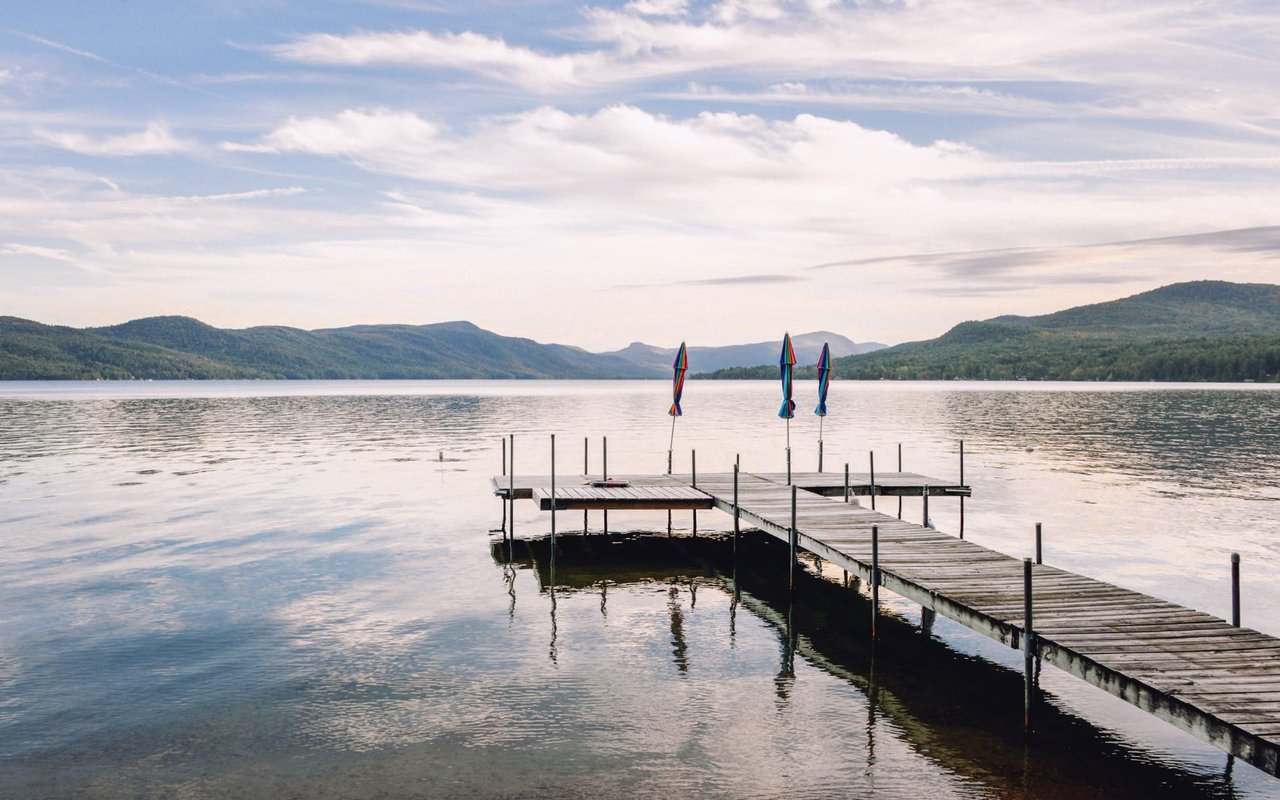
Paddlers who have logged time on Northwest Bay describe it as calm except on summer weekends, when boaters use it specifically to get out of the wind. That single habit explains a pattern a lot of bay residents notice without ever naming it: the water in front of your dock can be glass-still at nine in the morning and full of wake by early afternoon, not because more boats came out that day, but because the wind picked up on the main lake and sent traffic looking for cover. If you live on the west shore and you've wondered why some breezy afternoons feel busier than dead-calm ones, that's the mechanism. Wind direction and speed on the open lake, not the clock, is the variable that actually predicts your afternoon.
This matters for anyone deciding when to get out on the water without fighting wake. Early morning is still the safest bet, and it holds for a structural reason beyond the obvious one: boats haven't launched yet regardless of forecast. But the second-best window isn't a quiet Tuesday. It's a calm day on the open lake, because on those days the boats that would normally retreat into the bay simply stay out where they are, and Northwest Bay keeps its water to the paddlers, the anglers working the brook mouth, and whoever happens to be swimming off Montcalm Point.
What's Actually Across the Water From You
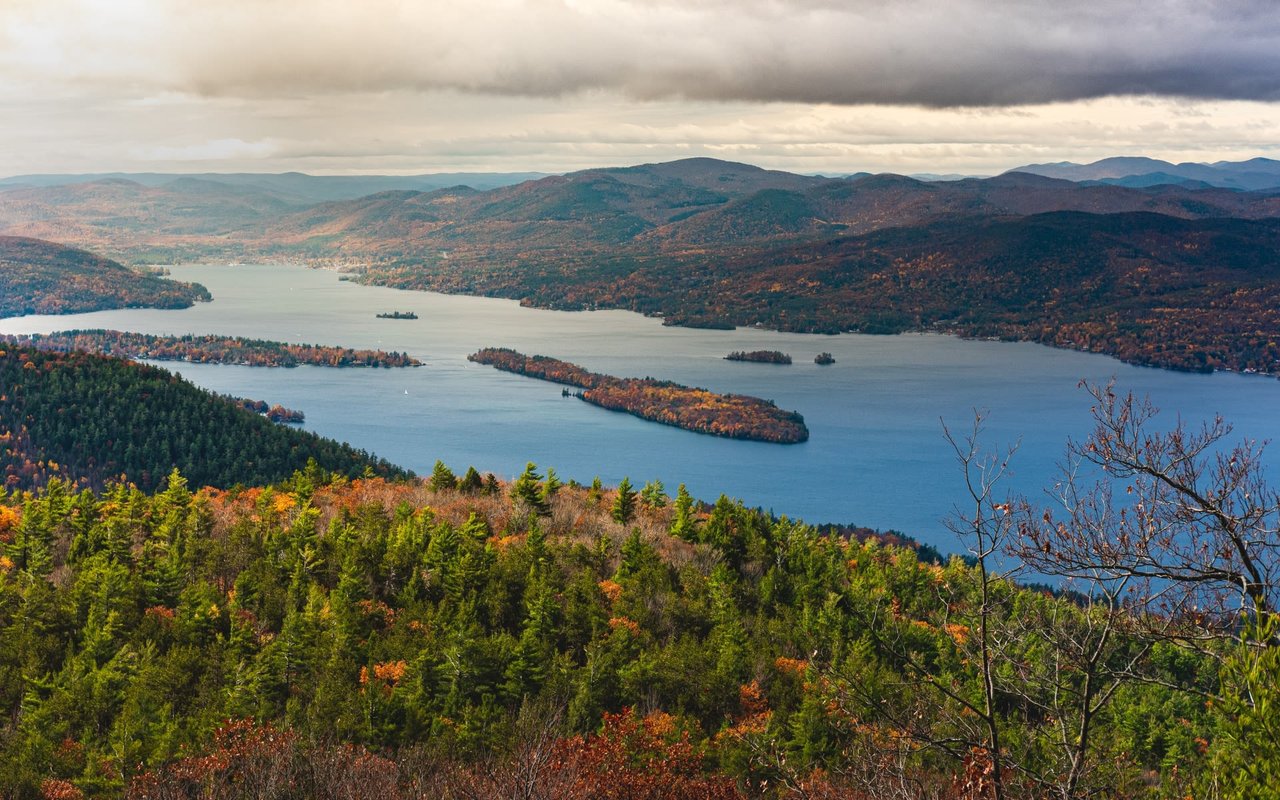
The bay's two shorelines don't mirror each other, and that asymmetry shapes who you'll see out there on a given day. The east shore, the one running along the Tongue Mountain Range side, is almost entirely state Forest Preserve land within the Lake George Wild Forest. The west shore, where most of the private camps sit, is privately held. That split means a homeowner on the west side isn't just looking across the water at someone else's dock. On plenty of days, they're looking at a hiking corridor. The Northwest Bay Trail runs the length of that east shore for about five miles, connecting the Clay Meadows trailhead to Montcalm Point, and backpackers doing the full loop with the Tongue Mountain Range Trail pass directly across from private camps the entire way. It's a detail that rarely comes up until you're on your porch at midday and notice a hiker's pack propped against a tree on the far shore, or a group taking a break at the small beach and bench spot roughly a mile and a half in from the trailhead. That's public land doing what public land does, and it's a permanent feature of owning on this bay rather than an occasional coincidence.
A Launch That Doubles as a Trailhead
The other piece of Northwest Bay that residents underuse is the fact that Clay Meadows isn't just a boat launch. It's also the southern trailhead for the entire Tongue Mountain Range network, which means the same gravel lot where you drop a kayak is the same lot where you'd start a hike up to Fifth Peak or French Point Mountain. Paddle down to Montcalm Point along the shoreline, and if you're willing to make a longer day of it, the Tongue Mountain Range Trail climbs back up from near the point and returns you to Clay Meadows on foot, a loop of roughly ten miles that most people either hike or paddle but rarely think to combine. For a resident who already has both a kayak and a pair of boots in the garage, that's a full day of recreation that starts and ends at the same parking area without needing a second car.
The Lake George Land Conservancy treats this same stretch of water as worth protecting on purpose. Its Loines Preserve sits along the brook's western bank, and the conservancy has run guided evening paddles through the marsh and out into the bay as a way of introducing people to what's actually living in that wetland corridor: bullfrogs loud enough to hear from the water, great blue herons working the shallows, the occasional glimpse of an American bittern or a swan working the reeds. It's the same corridor most Northwest Bay residents paddle through on the way to open water, just with someone pointing out what's easy to miss at cruising speed.
Planning Around the Bay You Actually Have
None of this changes what Northwest Bay is. It's still one of the more sheltered, less developed stretches of Lake George's west shore, with a shoreline split between quiet private camps and protected forest that isn't going to change hands piece by piece. What changes is how a resident should think about using it day to day. If your read on "quiet" is built around the calendar, weekday versus weekend, the version of quiet you're chasing will keep slipping away on the days wind sends boats looking for cover. If your read on quiet is built around the wind, you'll get it right more often, whether that means an early paddle before anyone else launches or a calm afternoon when the rest of the lake doesn't need what the bay provides.
That's the kind of detail that only shows up after enough seasons on this particular stretch of water, and it's the sort of local read Sherwood Group tries to bring to every conversation about Lake George's shoreline communities, not just the ones about buying or selling. If you're curious how a specific stretch of Northwest Bay's shoreline, public or private, fits into the way you actually want to use the lake, Sherwood Group has spent enough seasons on this water to talk it through in detail.