By the Sherwood Group
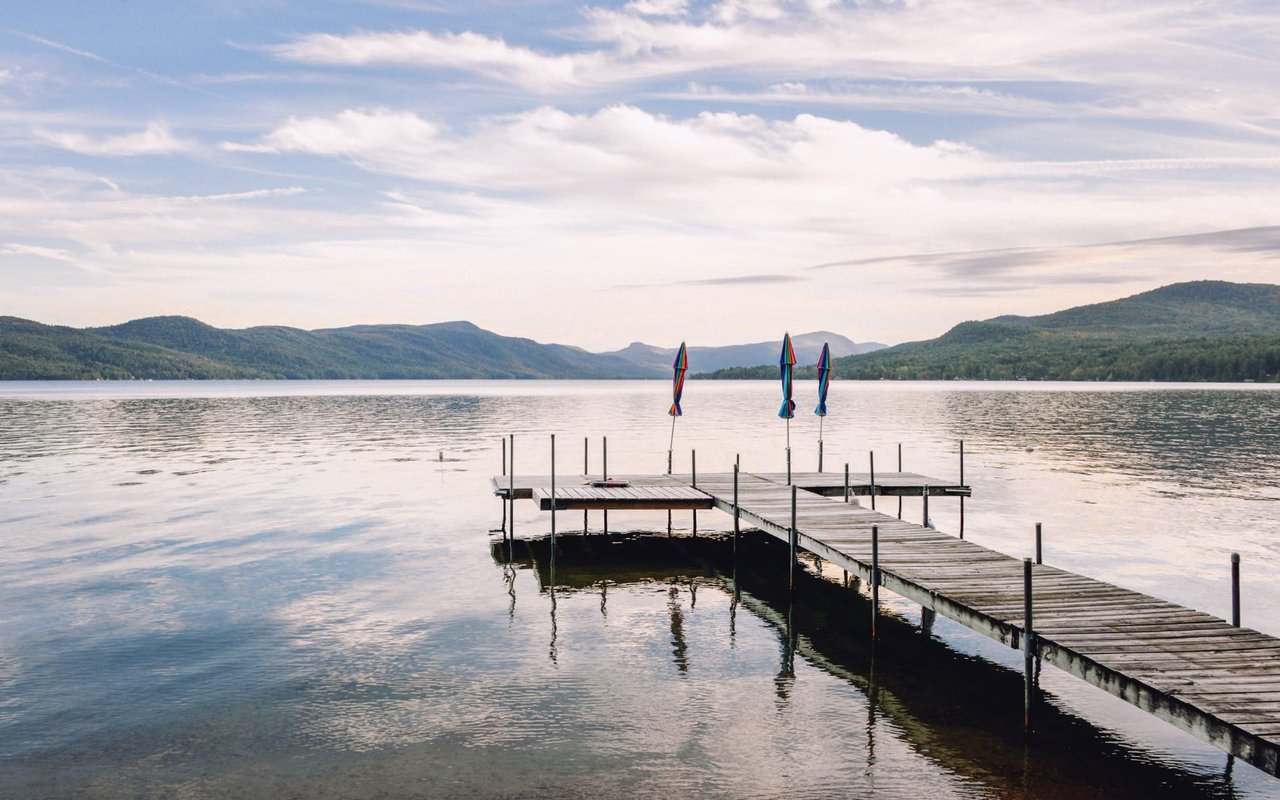
There is something so different about waking up to the sight of water every morning. On Lake George, that experience comes with miles of clear blue shoreline, forested hillsides rolling down to the water's edge, and a pace of life that prioritizes presence over rush. It is why buyers from New York City, New England, and beyond keep coming back to this corner of the Adirondacks, searching for a property that offers not just a home but an entirely different way of living.
Buying a home on Lake George is one of the most rewarding real estate decisions you can make, and it is also one of the most nuanced. Waterfront properties in this region come with their own set of considerations that you simply do not encounter when buying a traditional home. From shoreline rights and dock permits to seasonal accessibility and environmental nuances, the details matter and can meaningfully affect how you use, enjoy, and eventually sell your property.
Whether you are looking for a year-round residence or a seasonal retreat, understanding what goes into a Lake George waterfront purchase puts you in the best possible position. Here is what every serious buyer should know before making an offer.
Key Takeaways
- Waterfront properties on Lake George are governed by specific regulations around docks, shoreline use, and environmental protections that vary by parcel.
- Understanding what is included in your purchase, including riparian rights, dock structures, and any existing permits, is essential before you close.
- Lake George attracts a range of buyers seeking both seasonal retreats and year-round primary residences, and the inventory for each differs significantly.
- The right waterfront property is a long-term investment in your quality of life, and getting the details right from the start protects that investment for years to come.
Understanding Waterfront Rights and What They Mean for You
When you buy a home on Lake George, you are not just purchasing land and a structure. You are purchasing access to the water itself, and how that access is defined varies from one property to the next. Riparian rights, which govern a landowner's relationship to the water adjacent to their property, are a foundational element of any waterfront transaction in New York State.
These rights determine whether you can build or maintain a dock, how far into the water your rights extend, and whether you have use of a particular stretch of shoreline. On Lake George, these considerations are layered on top of environmental protections.
Before you fall in love with a property's amazing views, it is worth understanding exactly what the listing includes. Some waterfront parcels come with dock structures, while others may have shared waterfront access rather than direct frontage. Your purchase agreement, title search, and due diligence process should all address these specifics in detail.
These rights determine whether you can build or maintain a dock, how far into the water your rights extend, and whether you have use of a particular stretch of shoreline. On Lake George, these considerations are layered on top of environmental protections.
Before you fall in love with a property's amazing views, it is worth understanding exactly what the listing includes. Some waterfront parcels come with dock structures, while others may have shared waterfront access rather than direct frontage. Your purchase agreement, title search, and due diligence process should all address these specifics in detail.
What To Confirm Before You Close
- Whether the property has deeded water frontage or shared access to the lake.
- The current status of any dock, boathouse, or launch structure on the property, including whether it is permitted and in compliance with regulations.
- Any recorded easements that allow neighboring landowners or the public to access portions of the shoreline.
- The specific zoning classification of the parcel and any restrictions on future improvements or expansion.
- Whether there are any pending environmental assessments or violations associated with the property.
Flood Zones, Water Table, and Stormwater Considerations
It’s essential to understand how the property interacts with the lake during high-water years, periods of heavy rainfall, and spring runoff. FEMA flood zone designations apply to some Lake George parcels, and if your property falls within a Special Flood Hazard Area, flood insurance will be required as a condition of financing.
Even if a property isn't in a designated flood zone, elevation and drainage still matter. Low-lying lots can collect water after heavy rain. Some older homes were built before current stormwater regulations and may have drainage systems in place that don't meet today's standards. A thorough inspection should include the grading of the lot, the condition of any retaining walls, and how the water moves across the property during a rainstorm.
The water table itself is worth understanding in context. Properties near the lakeshore can have high water tables that affect basement livability, crawlspace conditions, and the long-term feasibility of any below-grade improvements. If you're considering finishing a basement or adding a lower-level living space, this is a detail to explore before closing rather than after.
Even if a property isn't in a designated flood zone, elevation and drainage still matter. Low-lying lots can collect water after heavy rain. Some older homes were built before current stormwater regulations and may have drainage systems in place that don't meet today's standards. A thorough inspection should include the grading of the lot, the condition of any retaining walls, and how the water moves across the property during a rainstorm.
The water table itself is worth understanding in context. Properties near the lakeshore can have high water tables that affect basement livability, crawlspace conditions, and the long-term feasibility of any below-grade improvements. If you're considering finishing a basement or adding a lower-level living space, this is a detail to explore before closing rather than after.
What an Inspection Should Cover
- Current FEMA flood zone designation and whether the property has flooded in the past.
- Condition and compliance of stormwater management systems, including drains, swales, and grading.
- Water table depth and any evidence of moisture infiltration.
- Condition of any retaining walls or seawalls along the shoreline.
- History of shoreline erosion and any remediation that has been done.
Features To Look For
When you're evaluating homes on Lake George, the setting will do a lot of the heavy lifting. But the features inside and outside the home determine whether the property works for your life on a practical level, not just an aspirational one. The right combination of infrastructure, outdoor space, and thoughtful design can make the difference between a property that requires years of updating and one that's ready to deliver from day one.
Start with the shoreline itself. Gently sloping, gradual access to the water is significantly more usable than a steep drop-off, particularly if you plan to swim, kayak, or launch watercraft regularly. Sandy or gravelled entry points are easier to maintain and more pleasant to use than rocky or muddy shorelines. If the property has a boathouse or covered dock structure, evaluate its condition carefully; these are expensive to rebuild and add real value when they're in great shape.
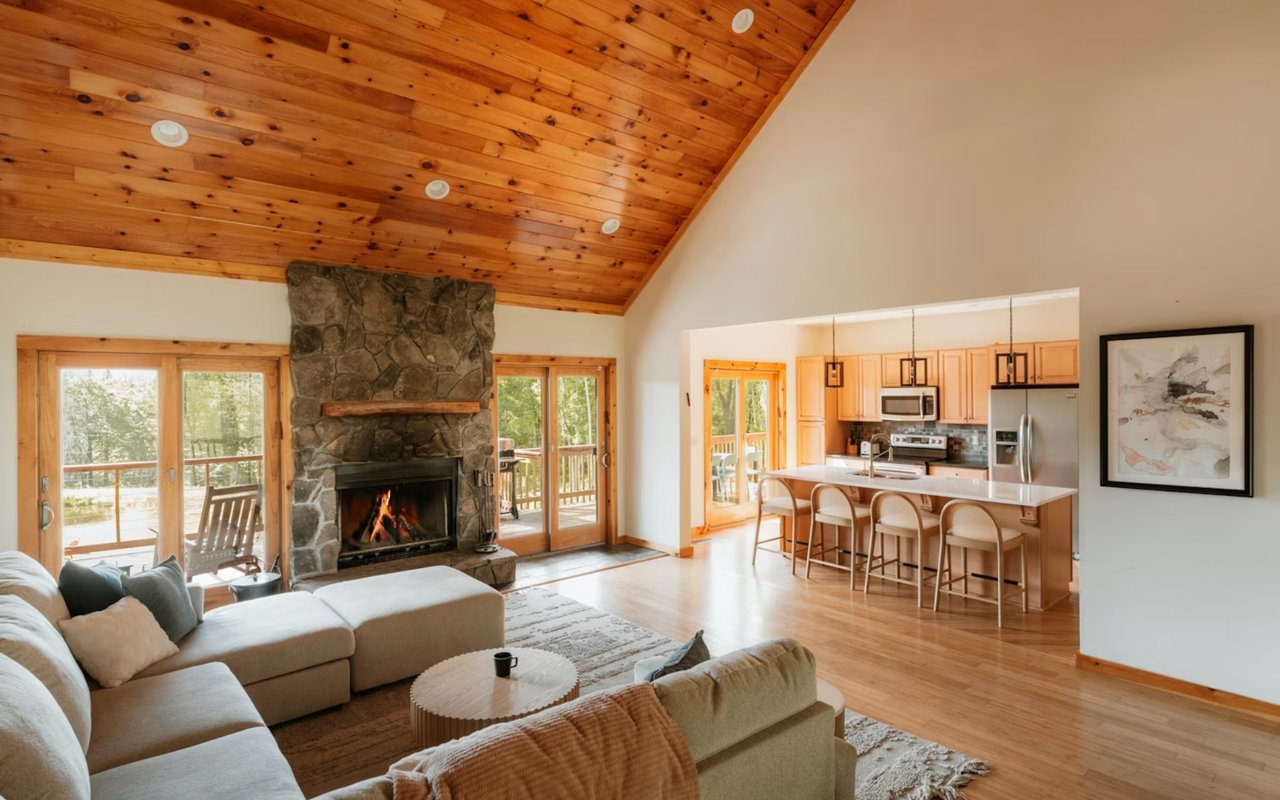
On the structural side, pay close attention to how the home handles the realities of lakeside living. Elevated construction or a walkout lower level that keeps living space above flood risk is a meaningful advantage. Screened porches, covered decks, or three-season rooms extend the amount of time you can comfortably spend outdoors and are worth prioritizing. Large windows and open sightlines that frame the water add to the daily experience in ways that are difficult to replicate with renovation.
Start with the shoreline itself. Gently sloping, gradual access to the water is significantly more usable than a steep drop-off, particularly if you plan to swim, kayak, or launch watercraft regularly. Sandy or gravelled entry points are easier to maintain and more pleasant to use than rocky or muddy shorelines. If the property has a boathouse or covered dock structure, evaluate its condition carefully; these are expensive to rebuild and add real value when they're in great shape.
On the structural side, pay close attention to how the home handles the realities of lakeside living. Elevated construction or a walkout lower level that keeps living space above flood risk is a meaningful advantage. Screened porches, covered decks, or three-season rooms extend the amount of time you can comfortably spend outdoors and are worth prioritizing. Large windows and open sightlines that frame the water add to the daily experience in ways that are difficult to replicate with renovation.
Features Worth Prioritizing in Your Search
- Gently sloped or stepped shoreline access with stable footing for launching watercraft or swimming.
- A covered dock, boathouse, or boat lift that's permitted, structurally sound, and sized for the watercraft you plan to use.
- Outdoor living space oriented toward the water, including decks, screened porches, or stone patios with unobstructed lake views.
- Elevated main living areas that keep primary spaces above flood risk and offer sightlines across the water.
- A well-insulated structure with updated windows and mechanical systems suited for year-round use.
- Adequate storage for watercraft, gear, and recreational equipment, either within the home or in a detached structure.
- Parking and driveway access that accommodates boats, trailers, or additional vehicles.
FAQs
Can I Build a New Dock on a Lake George Waterfront Property?
In many cases, yes, but the process is subject to review and approval. Dock construction requires a permit, and the application will be evaluated based on the specific conditions at your property, including water depth, shoreline type, and proximity to sensitive habitats.
What Is the Difference Between Deeded Waterfront and Shared Access?
Deeded waterfront means that the shoreline is part of your property, giving you direct rights to the water's edge and the ability to maintain permitted structures like docks. Shared access properties, by contrast, provide rights to use a common waterfront area shared with other property owners in a community or development.
Your Next Chapter Starts at the Shoreline
Buying a home on Lake George is a decision that rewards preparation. The more clearly you understand the landscape, the specifics of waterfront ownership, and what distinguishes one type of property from another, the more confidently you can move forward when the right opportunity appears. And when you find it, you will know; there is an unmistakable feeling that comes with standing at the edge of this lake and imagining it as yours.
The Sherwood Group knows this market the way only local specialists can. From dock nuances to seasonal considerations, our team is here to make sure you have the knowledge and guidance you need at every stage of your search. Reach out to us today and let us help you find your place on Lake George.
The Sherwood Group knows this market the way only local specialists can. From dock nuances to seasonal considerations, our team is here to make sure you have the knowledge and guidance you need at every stage of your search. Reach out to us today and let us help you find your place on Lake George.